
If you’ve decided to invest in solar energy for your home, congratulations! Solar power is an excellent way to save on energy costs and reduce your carbon footprint. But to truly make the most of your investment, proper maintenance is key. For that particular reason, solar panel cleaning is an absolute must. So, how do you find the best solar panel for peak efficiency?
Consider Your Energy Needs
Before choosing a solar panel system, it’s important to evaluate how much energy your household uses. This will help determine the size of the system you need. Solar panels come in various sizes and efficiencies, so understanding your average energy consumption is the first step.
Look at your electric bills over the past year to see your average monthly energy usage. Once you have that data, you can use it to calculate how many panels you’ll need. Keep in mind that your energy needs may change over time. For example, if you plan on purchasing more appliances or adding an electric vehicle to your home, you’ll want to account for those changes in your calculations.
Prioritize Efficiency and Type of Solar Panel
There are three main types of solar panels available: monocrystalline, polycrystalline, and thin-film. Each has its own pros and cons:
- Monocrystalline panels: They are the most efficient and tend to be the most expensive. They are made from a single crystal structure, which allows them to absorb sunlight more effectively.
- Polycrystalline panels: These are less efficient than monocrystalline but also more affordable. These panels are made from multiple crystal structures, which slightly reduces their ability to absorb sunlight.
- Thin-film panels: Need something lightweight and flexible? These are for you. But they have the lowest efficiency compared to the other two types. They are ideal for larger spaces, where more panels can be installed to compensate for the lower efficiency.
When selecting your solar panel system, consider both the efficiency of the panels and the space available on your roof. In some cases, it may make sense to opt for the more efficient monocrystalline panels, especially if you have limited roof space.
Consider Roof Space and Panel Placement
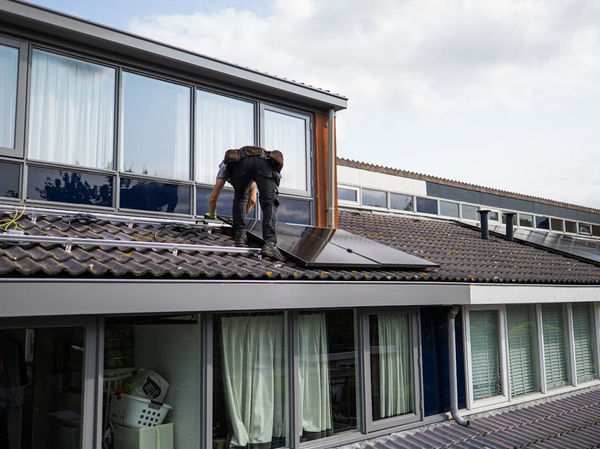
Your roof space plays a significant role in the type and number of solar panels you can install. A roof that faces south is great for solar panels because it gets the most sunlight every day. However, east- or west-facing roofs can still work, though they may not generate as much energy as a south-facing roof. If your roof is shaded by trees or nearby structures, you may need to clear the area to maximize sunlight exposure. The amount of roof space available will also determine how many panels can be installed. If your roof is small or has limited space, consider high-efficiency panels that produce more power with fewer units.
Think About Inverters and Battery Storage
When setting up a solar panel system, don’t forget about the inverter and battery storage. The inverter is responsible for converting the DC power produced by the solar panels into AC power, which is used by your home. There are two main types of inverters homeowners often use. String inverters are the traditional choice and are suitable for systems with panels that receive similar amounts of sunlight. Microinverters are a newer technology that allows each panel to operate independently. This is beneficial if some of your panels will be shaded at different times of the day, as it maximizes the overall efficiency of the system.…