How Man and Van Services Handle Last-Minute Relocations

Unexpected moves can be stressful, leaving little time for planning, packing, or coordinating transportation. Last-minute relocations demand flexibility, efficiency, and experienced crews who can respond quickly without compromising safety or organization. Many people turn to trusted providers, such as West London vans, for their ability to manage urgent schedules and adapt to changing circumstances. These services prioritize rapid response, strategic planning, and careful handling to ensure belongings arrive safely despite time constraints. Understanding how man and van services handle last-minute relocations reveals the importance of preparedness, expertise, and agility in making even the most sudden moves run as smoothly as possible.

Rapid Assessment and Planning

boxesWhen a last-minute relocation request is received, the first step involves rapid assessment. Man and van teams quickly evaluate the volume of items, property access conditions, and transportation requirements. This assessment allows movers to determine the necessary resources, optimal vehicle size, and number of personnel required. Even with limited time, a structured plan ensures that essential details are addressed, reducing the likelihood of delays or overlooked tasks.


Flexible Scheduling and Availability

A key advantage of man-and-van services is their flexible scheduling. Many providers operate beyond traditional business hours, including evenings and weekends, to accommodate urgent requests. This flexibility allows homeowners to select times that align with their immediate needs, avoiding conflicts with other obligations. By offering adaptable scheduling, man and van services ensure that relocation can proceed despite time-sensitive constraints.

Strategic Route Planning and Transportation

Transportation efficiency is another crucial element in last-minute relocations. Man and van teams optimize routes to minimize travel time and avoid congestion, accounting for traffic patterns, access restrictions, and multiple stops as needed. Vehicles are loaded strategically to allow easy unloading and to prevent delays at each destination. This careful planning ensures timely delivery even under pressing circumstances.

Efficient Packing and Handling Solutions

blanket

Time-efficient packing strategies are critical for last-minute moves. Movers often prioritize essential items, use modular packing techniques, and employ professional equipment to streamline the process. Protective materials such as blankets, straps, and boxes are quickly deployed to prevent damage. Efficient handling reduces both the physical and temporal burden, allowing the move to proceed smoothly under compressed timelines.

Communication and Coordination

Clear communication is essential for managing last-minute relocations effectively. Teams maintain constant contact with homeowners to confirm schedules, provide updates, and address emerging challenges. Internally, movers coordinate closely to ensure personnel, vehicles, and equipment align with the compressed timeline. This communication minimizes confusion, streamlines workflow, and maintains a sense of control for the client.

Man and van services handle last-minute relocations by combining rapid assessment, flexible scheduling, efficient packing, strategic transportation, and proactive communication. Their ability to adapt quickly to urgent circumstances ensures that relocations can be completed safely, efficiently, and with minimal disruption. By integrating planning and operational flexibility, these services deliver reliable solutions even under tight deadlines.…

Electrical System Maintenance Tips for a Safer and More Beautiful Home

Maintaining a home involves more than just keeping it clean and organized. Your electrical system is the backbone of modern living, powering everything from lighting and appliances to smart home devices. Neglecting it can lead to safety hazards, higher energy bills, and even costly repairs. On the flip side, well-maintained electrical systems not only improve safety but also enhance the comfort and beauty of your home. With a few practical tips and regular upkeep, you can ensure your electrical setup is reliable, efficient, and visually pleasing.

Scheduling Professional Electrical Service

electrician One of the smartest ways to maintain a safe home is by scheduling regular electrical service. Licensed professionals can inspect your wiring, circuit breakers, and outlets for signs of wear or potential hazards. They can also recommend upgrades that improve efficiency and modernize your system, such as adding extra outlets, installing dimmer switches, or updating old panels. Regular professional inspections help prevent emergencies, give you peace of mind, and ensure your home stays both safe and functional.

Checking and Replacing Old Wiring

Worn-out or outdated wiring is a common source of electrical problems. Homes built decades ago may still have knob-and-tube or aluminum wiring, which can pose fire risks or limit the performance of modern appliances. Even copper wiring can deteriorate over time. Periodically checking your wiring for signs of damage, fraying, or discoloration is essential. Replacing old wires with modern, high-quality materials improves safety, reduces the risk of outages, and supports the consistent operation of all your devices.

Inspecting Outlets and Switches

Loose or malfunctioning outlets and switches are more than minor annoyances—they can be a serious safety hazard. Check outlets for warmth, sparks, or unusual sounds, and replace any that appear damaged. Upgrading your outlets to include USB ports or installing stylish switch plates can also improve functionality and aesthetic appeal. Small updates like these can make a room look more polished while ensuring that your electrical system remains reliable.

Upgrading Lighting for Safety and Ambiance

Lighting serves both functional and aesthetic purposes. Replacing outdated fixtures with energy-efficient LEDs not only reduces your electricity bills but also enhances the look and feel of your space. Consider installing dimmers or smart lighting systems to customize the ambiance for different rooms. Properly maintained lighting, combined with updated fixtures, can transform your home’s atmosphere while preventing overheating and reducing fire risks from old bulbs or faulty sockets.

Maintaining Circuit Breakers and Panels

panel

Circuit breakers and panels are critical to preventing overloads and protecting your home from electrical fires. Periodically testing breakers and ensuring panels are not blocked or exposed to moisture is crucial. If you notice frequent trips or flickering lights, it may indicate that your panel is outdated or struggling to handle your home’s energy demands. Professional evaluation can identify necessary upgrades, helping your system work efficiently while keeping your home safe.

Keeping Cords and Appliances Organized

Messy cords and overloaded power strips are a frequent cause of household accidents. Make a habit of organizing cables, unplugging devices when not in use, and avoiding daisy-chaining multiple power strips. Using cord covers, surge protectors, and properly rated extension cords not only reduces tripping hazards but also protects sensitive electronics. A tidy, well-managed system keeps your home looking neat and minimizes the chance of electrical problems.

Maintaining your home’s electrical system is a key component of safety, efficiency, and style. From scheduling professional service to inspecting wiring, outlets, and panels, these routine practices help prevent hazards while keeping your home functional and beautiful. Small upgrades in lighting, cord management, and outlet design can enhance both safety and aesthetics, giving you peace of mind and a polished living space. With consistent attention and professional guidance, your electrical system can remain a reliable, safe, and visually appealing part of your home for years to come.…

Before You Build That Fence: Key Things Every Homeowner Should Consider

Building a fence might seem like a straightforward project, but there’s more to it than just digging holes and putting up panels. Whether you’re hoping to add privacy, increase security, or simply give your yard some structure, a fence can have a big impact—both visually and legally. Before you head to the hardware store or call a contractor, there are a few important things to think through that could save you time, money, and frustration.

Consider Your Purpose

Before choosing a style or material, it’s important to ask yourself why you want a fence in the first place. Are you trying to keep pets in the yard? Create a buffer from the neighbors? Add curb appeal? The answer will shape everything from how tall the fence should be to what type of gate you’ll need. For example, if your main concern is security, understanding the pros and cons of fence gates as a security feature can help you design a setup that feels both safe and practical without going overboard or breaking your budget.

Know Your Property Lines

One of the most common headaches with fencing projects is accidentally crossing into a neighbor’s property. It might seem harmless, but it can lead to disputes and even legal trouble. Before you install anything, double-check your property boundaries. Your city or county should have a plot map on file, or you can hire a surveyor to confirm. Having a clear understanding of your lot lines ensures that your fence won’t need to be moved later, which can be expensive and stressful.

Check Local Rules and HOA Guidelines

Every municipality has its own zoning laws and building codes that dictate what kind of fences are allowed. These rules might limit the height of your fence, how close it can be to sidewalks or roads, or what materials you can use. If you live in a neighborhood with a homeowners association (HOA), you’ll also need to make sure your design complies with their regulations. Ignoring these rules can lead to fines or having to redo your fence altogether.

Think About Maintenance

Wood fences can look warm and classic, but they often require the most upkeep—like staining, sealing, or replacing warped boards. Vinyl and metal fences might be more durable and easier to maintain, but they come with their own costs and aesthetic limitations. Think about how much time and effort you’re willing to put into your fence once it’s built. It’s better to choose something sustainable long-term than regret your decision down the road.

Don’t Forget the Neighbors

While you’re not required to get your neighbors’ approval before building a fence (unless it crosses property lines), it’s still a good idea to let them know your plans. This is especially true if the fence will impact their view, access, or overall yard space. A quick conversation can go a long way toward avoiding tension later. Plus, in some cases, neighbors might be willing to share the cost if the fence benefits both sides.

A fence can be a fantastic addition to your home—it can improve safety, privacy, and even property value. But building one without careful planning can lead to some costly missteps. By thinking through your goals, understanding your property, and staying informed about local guidelines, you can create a fence that serves your needs and stands the test of time. A little planning now can save you a lot of hassle later.…

Water Conservation Strategies in Eco-Friendly Home Design

Water scarcity is a growing concern for homeowners and communities alike. Professionals from WZ explained how eco-friendly home designs are reshaping the approach to resource management. Implementing water-saving measures can cut utility costs and support the environment. Small changes in water habits can have a significant cumulative effect. Modern designs focus on reducing wastage while keeping daily routines convenient. The right strategies create a balance between comfort and sustainability.

Low-Flow Fixtures and Faucets

shower Installing low-flow faucets and showerheads is a simple step with a big impact. These fixtures reduce water usage without compromising the pressure or user experience. Homeowners notice lower bills and less water waste within months of installation. To complement this, aerators can be added to sinks to maintain a strong flow while limiting consumption. Choosing high-efficiency toilets can save hundreds of liters annually. Together, these upgrades transform a home into a water-conscious space.



Rainwater Harvesting Systems

Rainwater harvesting captures rainfall for household and garden use. It reduces reliance on municipal water and minimizes environmental impact. Tanks can collect runoff from rooftops, storing water for irrigation or flushing toilets. In addition, filtration systems ensure that collected rainwater is safe for specific household tasks. Using stored water during dry spells reduces overall water consumption. This approach makes every drop count while embracing sustainable design.

Rain Gardens and Permeable Surfaces

Rain gardens and permeable surfaces manage stormwater while enhancing the property’s appeal. They allow rainwater to naturally infiltrate the ground, reducing runoff and easing pressure on drainage systems. Homeowners can integrate these features into driveways, patios, or garden areas to capture excess water effectively. Native plants in rain gardens filter pollutants and support local ecosystems. Permeable pavers prevent water pooling while maintaining functional outdoor spaces. This approach combines practicality, environmental care, and aesthetic value in one solution.

Greywater Recycling

Greywater recycling involves repurposing water from sinks, showers, and laundry for non-potable uses. This reduces freshwater demand and decreases wastewater production. Systems can be installed to redirect this water to gardens or toilet flushing. Maintaining a simple filtration system prevents contaminants from affecting the recycled water. With minimal maintenance, greywater reuse becomes a reliable water-saving strategy. It demonstrates a practical commitment to eco-conscious living.

Efficient Landscaping Techniques

gloves

Xeriscaping and native plant gardens help conserve water outdoors. Choosing drought-resistant plants reduces irrigation needs while maintaining an attractive landscape. Mulching around plants retains soil moisture and lowers evaporation rates. Drip irrigation systems deliver water directly to roots, minimizing waste and runoff. These techniques work together to create visually appealing, water-efficient outdoor spaces. Thoughtful landscaping supports both sustainability and aesthetic goals.

Monitoring and Smart Technology

Smart water meters and leak detection systems help homeowners track usage in real time. They alert users to excessive consumption or leaks before they become costly problems. This proactive approach preserves water and reduces bills. Integrating smart irrigation systems adjusts watering schedules based on weather and soil moisture. Homeowners gain both convenience and efficiency with these technologies. Ultimately, combining monitoring tools with other strategies strengthens overall water conservation efforts.

Water conservation in eco-friendly homes is achievable with thoughtful planning. Using low-flow fixtures, rainwater harvesting, greywater recycling, efficient landscaping, and smart monitoring makes a tangible difference. Implementing these strategies creates sustainable spaces that protect resources and enhance everyday living.…

Tips for Creating a Culturally Rich Dining Table Without Overcrowding It

Setting a dining table that reflects cultural appreciation can be both meaningful and stylish—if done with a sense of balance. Whether you’re showcasing your heritage, celebrating traditions, or simply drawn to global aesthetics, there’s an art to making your table reflect cultural depth without it feeling chaotic. From patterns inspired by ancient traditions to handcrafted items rooted in heritage, cultural decor has a place on your table, so long as it plays nicely with function and flow. For more guidance on elevating your table setup, check out these trendy tableware ideas to try this year.

A culturally rich table can stir conversation, invoke nostalgia, or introduce something fresh to your guests. But it doesn’t have to feel like a museum display. Let’s break down some tips to help you design a cultural dining table that feels collected, not cluttered.

Start With a Cultural Focal Piece

Rather than covering your table with various globally inspired items, begin with a single standout piece. This could be a ceramic platter from Morocco, a handwoven table runner from Guatemala, or a brass teapot from India. Use this as your grounding element. Building your table around one cultural item allows it to shine, while also preventing your display from turning into visual noise. Once you have your feature item in place, the rest of your table setup can take cues from its texture, material, or palette. This approach keeps the design cohesive without overloading it with too many competing elements.

Choose Cultural Patterns Over Replicas

coaster

Patterns and prints are an excellent way to subtly reference a culture without needing to collect numerous decorative objects. You might choose dinner plates with Islamic geometric motifs, napkins featuring African wax prints, or coasters bearing Scandinavian folk designs. The key is moderation—select one or two patterned items and keep the rest of your table neutral or solid-colored. This gives the design breathing space while still adding character and story.

Mix Modern Elements With Traditional Touches

If your entire table leans too heavily on cultural decor, it may appear more like a themed event than a relaxed mealtime setup. To keep things grounded, incorporate modern items to balance the traditional ones. For example, pair vintage Japanese bowls with sleek glassware, or accompany hand-carved African salad servers with minimal stoneware plates. This mix of old and new feels intentional and helps the cultural pieces stand out instead of blending into a themed overload. Think of it like a conversation between generations—modern lines meeting ancestral craft.

Let Texture and Material Tell the Story

centerpiece

Sometimes, the material or technique used in a piece can evoke culture more subtly than a flagrant symbol or emblem. Opt for earthenware, wood, stone, or hammered metal that reflects heritage craftsmanship. These pieces hint at cultural roots without being overly loud about it. For example, clay mugs reminiscent of rural Mexican pottery or rough linen placemats woven in Baltic styles add quiet depth to your setup. By focusing on material authenticity, you create a table that feels meaningful yet refined.

Be Selective With Decorative Extras

Resist the urge to add too many accent items like miniature sculptures, lanterns, or religious objects—especially if your table is small. One or two extras may provide charm, but beyond that, they start to steal functional space from the actual dining activity. If you’re incorporating smaller cultural pieces, think vertically: hang something near the dining area instead of crowding the tabletop. Wall art or suspended decor can still offer ambiance without interfering with place settings or serving dishes.

Creating a culturally rich dining table is a rewarding endeavor when approached with purpose and selectivity. It’s about blending meaningful artifacts, materials, and symbols into your dining space without turning it into a display case. Thoughtfully curating a few special pieces—whether inherited or collected—can spark memories, connections, and conversations around the table. When done right, the table becomes a tribute to heritage that doesn’t sacrifice comfort or flow. A balanced mix of culture and simplicity will always leave room for what matters most: sharing meals and stories with those who matter most.…

Why Homeowners Should Leave Moving to the Experts

Moving house sounds simple—until you’re knee-deep in boxes, wrapping paper, and bubble wrap that just won’t pop. It always starts with confidence: “We don’t have that much stuff.” Fast forward a few hours and your back is aching, your valuables are nowhere to be found, and someone’s yelling about lost charger cables. Let’s face it—moving is one of those tasks that seems doable until reality hits. That’s where professional movers, including the man with a van in Romford, step in. They don’t just show up with a truck—they bring sanity to the chaos.

Your Stuff Deserves Better Than a DIY Disaster

handling stuff

You might trust your cousin to help you lift that antique dresser, but will you trust him when it crashes into the doorframe? There’s a reason professionals have tools like lifting straps, dollies, and those mysterious packing blankets. They know how to carry things without smashing your walls or your grandmother’s lamp. Most homeowners don’t have the experience to pack a truck properly, which leads to broken items and wasted space. Think of it like playing Tetris, but every piece is heavy and fragile. Movers make those tight fits look like magic.

Time Is a Sneaky Thief

People always underestimate how long a move takes. Packing alone can eat up days, and that’s before loading and transport even begin. Professional movers work fast and efficiently—because they’ve done this hundreds of times. What takes you twelve hours might take them three, with fewer arguments and far less sweat. They show up, get to work, and don’t get distracted by old photo albums or pizza breaks. That saved time? It could go toward actually settling into your new place.

Injuries Are Not a Moving Day Souvenir

Ever thrown out your back carrying a box labeled “books” that felt like it was full of bricks? That’s how many DIY moves go. Lifting heavy furniture and hauling boxes up and down stairs is no joke. Pros are trained to lift correctly and work in teams to avoid injuries. Homeowners often rush, overdo it, or simply don’t know their limits—and end up paying for it with sprains or worse. Paying for movers might actually save you a trip to urgent care.

Peace of Mind Is Worth Its Weight in Bubble Wrap

There’s a kind of stress that only comes from watching your flat-screen TV wobble in the back of a borrowed pickup. With professional movers, you hand over that stress. They’re insured, so if something does break, you’re not left holding the bill. They’ll handle the logistics while you focus on updating your address, prepping the kids, or finding the coffee maker. You don’t have to worry about whether the boxes are labeled correctly or if the mattress will fit through the hallway. They’ve seen it all, and they’ve handled worse.

Moving is like trying to herd cats while blindfolded—confusing, frustrating, and full of surprises. Homeowners often think they’re saving money by doing it themselves, but the real cost shows up in time lost, things broken, and backs strained. Hiring movers isn’t about being fancy; it’s about being smart. They turn what would be a week-long headache into a smooth transition. So, skip the stress, keep your spine intact, and let the pros do what they do best. You’ll thank yourself when you’re relaxing on the couch instead of untangling extension cords at midnight.…

Best Heavy-Duty Wood Types for Log Cabins: Good Durability & Aesthetics

Building a log cabin is more than just a construction project; it’s about creating a cozy sanctuary where nature and comfort collide. The choice of wood plays a crucial role in shaping the character, durability, and aesthetic appeal of your cabin. In fact, what log size means for your build along with the type of wood you choose will be the biggest determinants of the structure’s longevity.

Heavy-duty wood types are ideal for log cabins because of their ability to withstand harsh elements and resist decay. Whether you prefer rustic charm or modern sophistication, certain woods stand out for their strength and beauty. Let’s learn some of the best heavy-duty wood types that not only promise longevity but also enhance the visual allure of your log haven.

Pine

Pine is a popular choice for log cabins, and for good reason. Known for its lightweight nature, it’s easy to work with and offers excellent insulation properties. This wood species can keep your cabin warm in the winter while staying cool during the summer months. Its natural yellowish hue adds warmth to any space. Pine’s grain patterns are visually appealing, providing a rustic charm that many homeowners desire. The knots within the wood give each piece a unique character. Another advantage of pine is its affordability compared to other hardwoods. It makes it an attractive option for budget-conscious builders looking to achieve beauty without breaking the bank.

Cedar

cedar plank

Cedarwood stands out as a top choice for log cabins. Its warm hues and rich aroma create an inviting atmosphere that many homeowners cherish. One of cedar’s most remarkable features is its natural resistance to decay and pests. This durability means that your cabin can withstand the elements without deteriorating quickly. In addition to its strength, cedar offers excellent insulation properties. It helps keep your cabin cozy in winter while staying cool in summer, contributing to energy efficiency. The grain patterns are visually striking, adding character to any structure. Cedar’s beauty can shine through both stained and natural finishes, allowing versatility in design.

Spruce

Spruce is a popular choice for log cabins due to its excellent strength-to-weight ratio. This softwood is lightweight, making it easier to handle during construction while still providing solid structural support. One of the standout features of spruce is its natural resistance to warping and twisting. This durability ensures that your cabin maintains its integrity over time, especially in varying weather conditions. Aesthetically, spruce has a light color with subtle grain patterns that can add an inviting warmth to any space. It can also be easily stained or painted if you want a different look. Moreover, spruce tends to be more affordable compared to other hardwoods.

Oak

oak

Oak is a classic choice for log cabins, known for its strength and durability. This hardwood can withstand the test of time while adding a rustic charm to any structure. Its natural grain patterns create stunning visuals that appeal to many homeowners. One of the standout features of oak is its resistance to wear and tear. It handles moisture well, making it ideal for various climates. Whether you’re in a rainy area or somewhere drier, oak maintains its integrity over the years. From light tan shades to deep browns, oak offers diverse color options that enhance aesthetic appeal. The rich hues complement other materials beautifully.

Choosing the right wood for your log cabin is crucial. Each type offers unique benefits, balancing durability and aesthetics. When considering these heavy-duty wood types, think about what matters most to you, whether it’s cost-effectiveness or visual appeal. Each wood has something special to offer your log cabin project.…

Choosing the Best Solar Panel System for Your Home: Best Tips

If you’ve decided to invest in solar energy for your home, congratulations! Solar power is an excellent way to save on energy costs and reduce your carbon footprint. But to truly make the most of your investment, proper maintenance is key. For that particular reason, solar panel cleaning is an absolute must. So, how do you find the best solar panel for peak efficiency?

Consider Your Energy Needs

Before choosing a solar panel system, it’s important to evaluate how much energy your household uses. This will help determine the size of the system you need. Solar panels come in various sizes and efficiencies, so understanding your average energy consumption is the first step.

Look at your electric bills over the past year to see your average monthly energy usage. Once you have that data, you can use it to calculate how many panels you’ll need. Keep in mind that your energy needs may change over time. For example, if you plan on purchasing more appliances or adding an electric vehicle to your home, you’ll want to account for those changes in your calculations.

Prioritize Efficiency and Type of Solar Panel

There are three main types of solar panels available: monocrystalline, polycrystalline, and thin-film. Each has its own pros and cons:

  1. Monocrystalline panels: They are the most efficient and tend to be the most expensive. They are made from a single crystal structure, which allows them to absorb sunlight more effectively.
  2. Polycrystalline panels: These are less efficient than monocrystalline but also more affordable. These panels are made from multiple crystal structures, which slightly reduces their ability to absorb sunlight.
  3. Thin-film panels: Need something lightweight and flexible? These are for you. But they have the lowest efficiency compared to the other two types. They are ideal for larger spaces, where more panels can be installed to compensate for the lower efficiency.

When selecting your solar panel system, consider both the efficiency of the panels and the space available on your roof. In some cases, it may make sense to opt for the more efficient monocrystalline panels, especially if you have limited roof space.

roof space

Consider Roof Space and Panel Placement

Your roof space plays a significant role in the type and number of solar panels you can install. A roof that faces south is great for solar panels because it gets the most sunlight every day. However, east- or west-facing roofs can still work, though they may not generate as much energy as a south-facing roof. If your roof is shaded by trees or nearby structures, you may need to clear the area to maximize sunlight exposure. The amount of roof space available will also determine how many panels can be installed. If your roof is small or has limited space, consider high-efficiency panels that produce more power with fewer units.

Think About Inverters and Battery Storage

When setting up a solar panel system, don’t forget about the inverter and battery storage. The inverter is responsible for converting the DC power produced by the solar panels into AC power, which is used by your home. There are two main types of inverters homeowners often use. String inverters are the traditional choice and are suitable for systems with panels that receive similar amounts of sunlight. Microinverters are a newer technology that allows each panel to operate independently. This is beneficial if some of your panels will be shaded at different times of the day, as it maximizes the overall efficiency of the system.…

Residential Demolition: When and Why You Might Need a Professional Contractor

Residential demolition can be a daunting task, whether you’re planning to renovate an old home or clear land for new construction. Understanding the ins and outs of this process is essential before you grab that sledgehammer. Demolition isn’t just about tearing down walls. It’s a complex operation that requires careful planning and execution. Hiring the best demolition service can ensure the job is done safely and efficiently, saving you time, money, and headaches down the road. So, let’s dive into the world of residential demolition and explore what it entails.

Different Types of Residential Demolition

Residential demolition comes in various forms, each serving a specific purpose. Selective demolition focuses on removing particular parts of a structure while preserving others. This method is often used when homeowners want to renovate or remodel without tearing down the entire building. Partial demolition involves taking down sections of a home, such as an addition that no longer fits with the overall layout. This approach can help create more functional spaces without starting from scratch. Complete demolition is the most extensive type. It entails clearing everything from the site and is typically necessary for properties beyond repair or when planning new construction.

When to Consider a Professional Contractor for Demolition Work

Deciding when to hire a professional contractor for residential demolition can be tricky. If you’re dealing with an entire structure, such as an old house or garage, expertise is key. Consider the age and condition of the property. Older buildings might contain hazardous materials like asbestos or lead paint. Professionals know how to handle these safely. If your project involves heavy machinery, skilled labor is essential. A seasoned contractor will have access to the right tools and equipment, ensuring efficiency and safety throughout the process.

Benefits of Hiring a Professional Contractor for Residential Demolition

residences being demolished

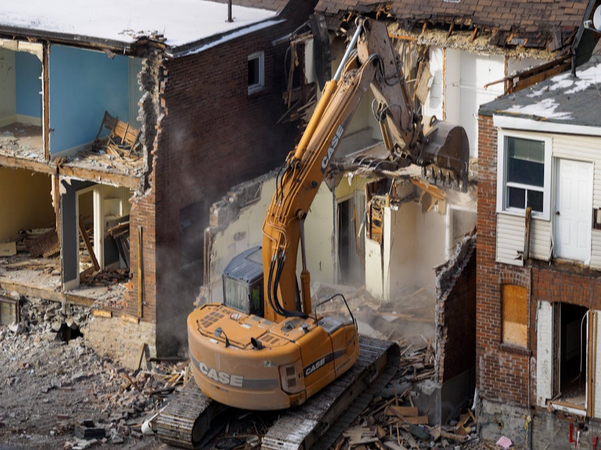
Hiring a professional contractor for residential demolition brings expertise to the table. These specialists understand the complexities of different structures and materials. Their experience ensures that the process is efficient and effective. Safety is another critical advantage. Professionals are trained to handle hazardous situations, reducing risks associated with demolition work. They follow strict safety protocols that protect not only themselves but also your property and neighboring homes. Additionally, they have access to advanced tools and equipment. This means tasks can be completed swiftly while minimizing damage to surrounding areas. A licensed contractor navigates local regulations effortlessly, preventing costly delays or fines due to non-compliance. Their knowledge of permits and legal requirements simplifies what can often be a complicated process.

Questions to Ask Before Hiring a Contractor

Choosing the right contractor is crucial for a successful demolition project. Start by asking about their experience. How many residential demolitions have they completed? This will give you insight into their expertise. Next, inquire about licensing and insurance. This protects you from liabilities and ensures you’re qualified for the job. Don’t forget to discuss timelines. Ask how long they anticipate the project will take and what factors could cause delays. Request references from past clients as well. Speaking with previous customers can reveal a lot about their work ethic and reliability.

Safety Measures and Regulations for Residential Demolition

Safety is paramount in residential demolition projects. Before starting any work, familiarizing yourself with local regulations is essential. Each municipality may have specific permits and guidelines to follow. Proper protective gear is a must for anyone on-site. Hard hats, gloves, goggles, and steel-toed boots can prevent injuries from falling debris or sharp tools. Additionally, it’s crucial to assess the structure beforehand. Identifying hazardous materials like asbestos or lead paint requires specialized handling by trained professionals. Dust control measures should also be implemented to minimize air pollution and safeguard neighboring properties. This could include water spraying or using dust barriers.

Residential demolition can be a significant undertaking, whether it’s for renovations, land clearing, or safety concerns. Understanding the types of demolition and knowing when to call in a professional contractor is crucial for ensuring the project runs smoothly. Hiring experts brings numerous advantages. They possess the necessary experience, equipment, and knowledge of local regulations that help avoid potential pitfalls. …

How to Choose the Right Luxury Condo: A Buyer’s Guide

Luxury condos have become a symbol of modern living, offering an enticing blend of comfort and sophistication. With their sleek designs and premium amenities, they are more than just places to live. They represent a lifestyle that many aspire to achieve. However, the process of choosing the right luxury condo can be overwhelming. With so many options available in various locations, it’s essential to navigate this journey with clarity and purpose. Whether you’re looking for a serene getaway or a vibrant urban retreat, understanding your needs is crucial in finding the perfect space.

Understanding Your Needs and Budget

Understanding your needs and budget is the cornerstone of finding the perfect luxury condo. Before diving into listings, take a moment to reflect on what truly matters to you. Consider your lifestyle preferences. Do you need a home office or extra bedrooms for guests? Is an open floor plan essential for entertaining? Pinpointing these elements will guide your search effectively. Next, establish a realistic budget that encompasses not just the purchase price but also ongoing expenses like HOA fees and property taxes. Luxury condos can carry additional costs that may surprise first-time buyers. Flexibility in your budget can be beneficial too. It allows room for unexpected upgrades or desirable locations that might stretch finances slightly but offer immense value in return.

Amenities and Services to Look for

When exploring luxury condos, amenities can make a significant difference. Think about what enhances your lifestyle. A well-equipped fitness center may be essential if you prioritize health and wellness. Consider the communal spaces, too. Rooftop gardens or lounges offer stunning views and great spots for socializing. A pool area is another enticing feature that provides relaxation without leaving home. Look for convenience in services like concierge assistance or on-site maintenance teams. These perks simplify daily life, making it easier to focus on what matters most to you.

Safety and Security Measures

When investing in a luxury condo, safety and security should be top priorities. Modern condos often come equipped with advanced security systems. These can include 24/7 surveillance cameras and on-site security personnel. Consider the building’s access points. Key fob entry systems or biometric access can significantly enhance your peace of mind. Additionally, check for secure parking options, especially if you own high-value vehicles. It’s also wise to research neighborhood crime rates. A safe community contributes to overall comfort in your new home.

Maintenance and Upkeep

When investing in a luxury condo, understanding maintenance and upkeep is crucial. Many buyers overlook this aspect, but it can significantly impact your living experience. Luxury condos often come with shared amenities like pools and gyms. These facilities need regular care to maintain their pristine condition. Assess the building’s management team. Experienced professionals ensure everything runs smoothly. Consider the association fees too. Higher fees usually correlate with better maintenance services, ensuring that common areas are spotless and functioning well.

Close the Deal: What to Expect

Closing the deal on your luxury condo is an exciting milestone. This final step can often feel overwhelming, but understanding what to expect makes it smoother. You’ll begin with a review of your purchase agreement. Familiarize yourself with all terms and conditions outlined in the contract. Pay attention to deadlines for inspections and financing approvals. Next comes the due diligence phase. This involves verifying property details, reviewing HOA documents, and ensuring there are no outstanding liens against the property.

Tips for Negotiating the Price

Negotiating the price of a luxury condo can feel daunting, but it’s an essential part of the buying process. Start by doing thorough research on recent sales in the area to understand market trends. Knowledge is power and gives you leverage. When making your initial offer, aim slightly lower than what you’re willing to pay. This opens room for negotiation while signaling that you’re serious about getting a good deal. Don’t hesitate to point out any minor flaws or areas needing repair during negotiations; this can justify a lower price. Be prepared for counter-offers and don’t take them personally. Stay calm and focused on your budget limits.

In Conclusion

With countless options …

Elevating Your Home Spa Experience: Using Essential Oils for Relaxation and Rejuvenation

Turning your home into a personal spa sanctuary doesn’t require a huge renovation. With the simple addition of essential oils, you can transform your space into a relaxing retreat where you can unwind and rejuvenate. These natural oils, derived from plants, offer therapeutic benefits that promote relaxation, soothe stress, and boost your mood. In this guide, we’ll explore how you can use essential oils to elevate your home spa experience and create a peaceful haven of relaxation. To know more, visit https://ahouseinthehills.com/how-essential-oils-can-transform-your-homes-atmosphere/.

Setting the Mood With Essential Oils

The first step in creating a spa-like atmosphere at home is setting the right mood, and scent plays a major role in this. Essential oils can fill your space with calming and soothing aromas, helping you slip into a state of relaxation.

Enhancing Your Bath With Essential Oils

rub

One of the easiest ways to enjoy the benefits of essential oils is by adding them to your bath. A warm bath infused with the right oils can work wonders for relaxation and rejuvenation. For a more calming experience, mix frankincense or sandalwood oil into your bath. These grounding oils help you feel centered and at peace, easing tension and promoting relaxation. Just be sure to dilute your essential oils with a carrier oil (like coconut or almond oil) before adding them to the bath to prevent skin irritation.

Creating a Relaxing Massage Experience

No spa day is complete without a massage, and essential oils can take your home massage experience to the next level. Whether you’re treating yourself or a loved one, massaging with essential oils can enhance relaxation and soothe sore muscles.

  • Sweet almond oil or jojoba oil make excellent carrier oils for diluting essential oils for massage. Add a few drops of your favorite essential oil, like lavender for relaxation or peppermint for muscle relief, and gently massage into your skin to relieve tension and stress.
  • Bergamot oil is a great option for those looking to improve their mood while relaxing. Its uplifting citrus aroma helps reduce stress and anxiety, leaving you feeling balanced and refreshed.
  • If you’re dealing with muscle soreness or tightness, marjoram oil can help relax muscles and ease discomfort.

Elevating Your Facial Routine

Your home spa experience isn’t complete without some pampering for your face. Essential oils can be a great addition to your skincare routine, providing both aromatherapy benefits and skin-enhancing properties.

  • Tea tree oil is a popular choice for its cleansing and purifying effects. It helps reduce blemishes and promotes clearer skin, making it ideal for facial steams or masks.
  • Rosehip oil, while not an essential oil, is a luxurious addition to your facial care routine. It’s rich in vitamins and antioxidants, promoting skin hydration and reducing the appearance of fine lines.
  • For soothing facial steam, add a few drops of lavender or chamomile oil to a bowl of hot water, place a towel over your head, and gently steam your face. This not only opens up your pores but also leaves you feeling calm and refreshed.

Incorporating Essential Oils Into Your Meditation

meditate

If you have a dedicated space for meditation, yoga, or simply relaxing, essential oils can help you deepen your practice by promoting a sense of calm and focus. For those seeking mental clarity and balance, clary sage or cedarwood oils can offer both calming and uplifting benefits.

Maximizing Relaxation With Aromatherapy Diffusers

Aromatherapy diffusers are a fantastic way to continuously enjoy the benefits of essential oils throughout your spa day. Whether you’re relaxing in the bath, practicing yoga, or reading a book, having a diffuser in the background keeps the atmosphere calm and soothing.

  • Ultrasonic diffusers are popular because they disperse essential oils in the air without heating them, preserving the integrity of the oils.
  • For an extra touch of luxury, consider a ceramic or wooden diffuser that complements your décor while creating the perfect ambiance.

Creating a home spa experience with essential oils is not only easy but also deeply rewarding. By thoughtfully selecting and using oils that promote relaxation and rejuvenation, you can transform an ordinary day into a peaceful retreat. …

4 Essential Advice for First-Time Renters

Are you ready to take the exciting leap into renting your first place? Congratulations on this new chapter. As a first-time renter, there’s a lot to consider and navigate. It’s also important that you are updated with certain laws like the tenancy law. To learn more about it, visit https://deutschesmietrecht.de/mietvertrag/tipps-vermieter-mietvertrag-mietrecht/753-hausbau-trifft-mietrecht-wichtige-aspekte-die-bauherren-und-mieter-wissen-sollten.html. From budgeting wisely to understanding lease agreements, we’ve got you covered with these four essential pieces of advice to make your rental journey smooth sailing.

Budget Wisely

When it comes to renting your first place, budgeting wisely is key. Start by calculating your monthly income and expenses to determine how much you can afford for rent. Remember to include additional costs like utilities, groceries, and transportation in your budget planning. Research rental prices in different neighborhoods to understand what fits within your budget. Consider factors like proximity to work or school, amenities offered, and overall safety of the area when comparing options. Remember, when setting aside funds for your new rental, you need to remember one-time expenses like security deposits and moving costs. Having some savings as a buffer for any unexpected expenses during your tenancy is essential.

laptop

Research Thoroughly

When it comes to renting your first apartment, research is key. Before diving into the rental market, take the time to explore different neighborhoods and properties that align with your needs and budget. Consider factors like proximity to work or school, local amenities, safety of the area, and public transportation options. Utilize online platforms like rental websites and social media groups to gather information on available listings in your desired location. Don’t be afraid to reach out to friends or family members who have experience with renting for valuable insights and recommendations. Take the opportunity to visit potential apartments in person before making a decision.

Understand the Lease Agreement

Understanding the lease agreement is crucial for first-time renters. It may seem daunting, but taking the time to read and comprehend all the terms and conditions can save you from potential issues. The lease agreement outlines important details such as rent amount, payment due dates, security deposit requirements, maintenance responsibilities, and rules regarding pets or subletting. Make sure to ask questions if any sections need to be clarified. Feel free to seek clarification from your landlord or property manager before signing anything. Remember that once you sign the lease agreement, you are legally bound by its terms. Note any additional fees in the lease agreement, such as late payment charges or penalties for breaking the lease early. Understanding these financial obligations upfront can help you budget effectively throughout your tenancy.


Communicate Effectively

Effective communication is key when it comes to renting your first place. Make sure to clearly express your needs and concerns with your landlord or property manager. Whether it’s maintenance requests or questions about the lease terms, open communication can help avoid misunderstandings. Don’t be afraid to ask for clarification if something is unclear in the lease agreement. It’s better to address any uncertainties upfront rather than be surprised later. Additionally, keep a record of all communications in case you need to refer back to them in the future. If you’re living with roommates, establish clear lines of communication from the start. Discuss expectations regarding shared responsibilities, bills, and personal space.

As you embark on this journey, remember that learning from each rental experience will help you grow as a tenant. Feel free to ask questions and seek advice from experienced renters or professionals in the real estate industry if needed. Being proactive and responsible will not only benefit you as a renter but also contribute to building a positive relationship with landlords or property managers. So go ahead and embrace this new adventure of renting your first place! With these essential tips in mind, you are well-equipped to make informed decisions and create a comfortable living environment for yourself. Happy renting.…

Creative Storage Solutions for Small Student Apartments

Living in a small student apartment often means dealing with limited space, which can pose a challenge when organizing belongings. However, you can maximize every inch of your living area with creativity and intelligent planning. Practical storage solutions help keep your Student Accommodation Frankston tidy and create a more functional and comfortable environment. This article will explore five creative storage solutions specifically designed for small student apartments.

Multi-Functional Furniture

Investing in furniture that are multi functional is one of the best ways to save space. Pieces like ottomans with hidden storage, beds with built-in drawers, and fold-out desks can serve dual purposes, reducing the need for additional storage units. For example, a bed with underneath drawers can store clothes, books, or other essentials, while an ottoman can house extra bedding or seasonal items. This approach helps keep your apartment clutter-free without sacrificing style or comfort.

Vertical Storage

When floor space is limited, look up! Vertical storage make excellent use of wall space and keep your belongings within easy reach. Consider installing shelves, hooks, and pegboards to store items like books, kitchen utensils, and accessories. Over-the-door organizers are another great option for utilizing vertical space in closets and bathrooms. You can significantly improve your storage capacity through thinking vertically without taking valuable floor space.

books

Under-Bed Storage

The space under your bed could be utilized more, but it can also be a goldmine for storage. Invest in shallow bins or rolling drawers to store shoes, extra linens, and out-of-season clothing. Consider bed risers to create additional space if your bed is low to the ground. Under-bed storage is a great way to keep items out of sight as you make them easily accessible, helping maintain a clean and organized apartment.

Door and Wall-Mounted Organizers

Door and wall-mounted organizers are perfect for small apartments where every inch of space counts. These organizers come in various forms, including shoe racks, jewelry holders, and kitchen spice racks. For instance, a wall-mounted spice rack in the kitchen can free up cabinet space, while a door-mounted shoe organizer can keep your footwear neatly stored and off the floor. Utilizing doors and walls for storage helps free up surfaces and keeps your apartment looking tidy.

Creative Use of Everyday Items

jars

Sometimes, everyday items can be repurposed into clever storage solutions. Mason jars, for instance, can be used to store office supplies, toiletries, or kitchen ingredients. Baskets and bins can be on shelves or under tables to corral smaller items. Even something as simple as a tension rod can create additional hanging space for cleaning supplies or scarves. You can make effective storage solutions tailored to your needs by thinking outside the box and repurposing everyday items.

Maximizing storage in a small student apartment requires creativity and practicality. You can have an organized and efficient living space by incorporating multi-functional furniture, utilizing vertical and under-bed storage, taking advantage of door and wall-mounted organizers, and repurposing everyday items. These storage solutions help keep your apartment tidy and enhance its functionality and comfort.…

Living Large in a Compact Space: The Benefits of Bungalow-Style Homes

Welcome to the world of bungalow-style homes, where living large and feeling cozy go hand in hand. In a time when minimalist trends are on the rise and space is becoming a luxury, these compact yet charming dwellings have proven themselves as masters of efficiency. Whether you’re yearning for a simpler lifestyle or simply looking to downsize without sacrificing style, bungalows offer an alluring escape from the chaos of modern living.

Join us as we explore the countless benefits of these small wonders that prove big things can indeed come in small packages. So get ready to unlock the secrets of living large in a compact space – your dream home might just be waiting for you around the corner.

Accessibility and Age-in-Place Design

One of the key advantages of bungalow living is its accessibility and age-in-place design. With all living spaces on a single level, bungalows eliminate the need for stairs, making them ideal for individuals with mobility challenges or those planning for the long term. The absence of stairs not only enhances convenience but also ensures that every part of the home is easily accessible as residents age.

Open Floor Plans and Airy Spaces

Bungalows are renowned for their open floor plans, creating seamless transitions between living, dining, and kitchen areas. This design fosters a sense of spaciousness and encourages natural light to flow throughout the home. The absence of interior walls promotes a sense of unity, making bungalows perfect for those who appreciate an open and airy living environment.

open floor

Integration With Outdoor Spaces

Bungalow-style homes often feature large windows, sliding doors, and porches that facilitate a strong connection with outdoor spaces. This integration with nature allows residents to enjoy the beauty of their surroundings from the comfort of their homes.

Patios and gardens become extensions of the living space, creating a harmonious blend between the indoors and outdoors. The Beispielhaus website features many examples of bungalow-style homes with beautiful outdoor spaces that are perfect for relaxation and entertaining.

Energy Efficiency

The single-story design of bungalows lends itself to energy efficiency. With a smaller footprint and a reduced need for heating or cooling different levels, bungalow-style homes often prove to be more energy-efficient than their multi-story counterparts. This eco-friendly aspect not only benefits the environment but can also lead to lower energy bills for homeowners.

Maintenance and Cleaning Simplified

The simplicity of a bungalow’s design translates into easier maintenance and cleaning. With all living spaces on a single level, tasks such as painting, window cleaning, and routine maintenance become more accessible and less time-consuming. This aspect of bungalow living is particularly appealing for individuals or families with busy schedules who appreciate a more straightforward approach to home maintenance.

Cozy and Intimate Atmosphere

Bungalows are known for their cozy and intimate atmosphere. The single-story layout encourages a sense of togetherness, as family members can easily interact in shared spaces. The warmth and intimacy of a bungalow-style home make it an inviting and comfortable retreat, fostering a close-knit living environment.

Flexibility in Design and Renovation

design

Bungalow-style homes provide ample flexibility when it comes to design and renovation. With fewer structural constraints compared to multi-story homes, homeowners can easily modify and personalize their living spaces. Whether it’s adding a sunroom, expanding a bedroom, or creating an open-plan kitchen, bungalows allow for creative customization to suit the evolving needs and preferences of the residents.

Architectural Timelessness

Bungalow-style architecture has stood the test of time, maintaining its popularity through various architectural trends. The classic and timeless appeal of bungalows ensures that they remain sought after by homeowners of all ages. The architectural versatility of bungalows allows them to blend into diverse neighborhoods while maintaining their distinctive charm seamlessly.

In conclusion, the advantages of bungalow-style living extend beyond mere architectural preferences. From accessibility and energy efficiency to the seamless integration of indoor and outdoor spaces, bungalows offer a unique living experience. The enduring appeal and adaptability of bungalow-style homes make them a timeless choice for those seeking a cozy, practical, and customizable living environment that suits a variety of lifestyles.…

Understanding the Importance of Professional Pest Control Services for Homeowners

As a homeowner, dealing with pests can be a significant headache. Not only are they annoying and disruptive, but they can also cause serious damage to your property and pose health risks to you and your family. In these situations, seeking professional pest control services is crucial. Firstly, professional pest control technicians in Boynton Beach have the knowledge and expertise to identify the root cause of your pest problem. This is important because it allows them to eliminate the existing pests and take preventative measures to ensure they do not return. In this article, we will discuss some of the other reasons why professional pest control services are crucial for homeowners.

Offering Long-Term Results

One of the main reasons why professional pest control services are necessary for homeowners is because they offer long-term results. While DIY methods may provide temporary relief, they often do not address the underlying cause of the pest infestation. This can lead to recurring problems and even larger infestations in the future. Professional pest control technicians can access advanced tools and techniques unavailable to the average homeowner. They also have extensive knowledge about different types of pests, their behavior, and the most effective methods for eradicating them. This allows them to not only eliminate the current infestation but also prevent future ones from occurring.

Protecting Your Property

Pests can cause significant damage to your property if left unchecked. This is especially true for rodents and insects like termites, which can chew through wood and cause structural damage to your home. Professional pest control services can help protect your property by identifying any vulnerabilities that may attract pests and implementing measures to keep them out. They can also provide treatments to eliminate existing infestations and prevent further damage.

home

Ensuring Your Safety

Pests not only cause property damage but can also pose serious health risks to homeowners and their families. Certain pests like rodents, cockroaches, and bed bugs can carry diseases and contaminate food sources. Professional pest control technicians are trained in handling hazardous materials and know how to safely eliminate these pests without putting anyone at risk. They also use environmentally friendly products that do not pose a threat to humans or pets.

Saving Time and Money

While some homeowners may attempt to handle pest control on their own, it often ends up costing them more time and money in the long run. Without proper knowledge and tools, they may end up buying ineffective products or not addressing the root cause of the problem. This can result in recurring infestations, leading to even more expenses. Hiring professional pest control services can save homeowners time and money by effectively eliminating pests and preventing future infestations.

Perhaps most importantly, professional pest control services provide peace of mind. Knowing that your home is in the hands of experts who can efficiently manage and prevent pest problems allows homeowners to relax and enjoy a pest-free living environment. In essence, the importance of professional pest control services for homeowners goes beyond mere extermination. It’s about safeguarding the home, ensuring the well-being of its inhabitants, and providing a sanctuary free from the disruptions and risks posed by pests. Consulting with these experts can truly make a difference in maintaining a healthy and harmonious home life.…

Navigating the Unique Challenges Faced by Prefab Homeowners

Welcome to the world of prefab homeownership. Building a home should be an exciting journey, but it often comes with its fair share of challenges. And when it comes to prefab homes, these challenges can be unique and require a different approach.

From selecting the right design to dealing with zoning regulations, navigating this uncharted territory can sometimes feel overwhelming. But fear not. In this blog post, we will explore the quirky nuances that come with owning a prefab home and provide you with practical tips and expert advice on how to overcome them.

Limited Customization Option

custom

One of the primary challenges of prefabricated homes is the limited customization compared to traditional stick-built homes. Prefabricated homes are manufactured in sections or modules, which restricts the degree of design flexibility. Buyers may find themselves facing a trade-off between efficiency and personalization. Overcoming this challenge requires careful consideration of priorities. Some prefabricated home manufacturers offer customization options within predefined parameters. The Mitteldeutsche Zeitung suggests that choosing a manufacturer that aligns with your aesthetic preferences and needs can help strike the right balance between efficiency and personal touch.

Land Restrictions and Zoning Regulations

Prefabricated homes may face stricter zoning regulations and land restrictions in certain areas. Some municipalities have zoning codes that treat prefabricated homes differently from traditional homes, imposing limitations on their size, appearance, or placement. Overcoming this challenge involves thorough research into local zoning laws and building codes before making a purchase. Working closely with local authorities and ensuring compliance with regulations can help streamline the process and avoid legal hurdles. Engaging with professionals who specialize in prefab home installations can also provide valuable guidance through the regulatory landscape.

Quality Concerns

assessWhile the prefabricated home industry has evolved significantly, concerns about the quality of construction persist. Some buyers worry about the durability and long-term performance of prefabricated homes compared to their stick-built counterparts. To address this challenge, it’s essential to choose reputable manufacturers with a proven track record. Research customer reviews, inspect completed projects, and request information on the materials and construction methods used by potential manufacturers. Thorough due diligence at the outset can mitigate the risk of quality-related challenges down the line.



Transportation and Site Access

The transportation and installation of prefabricated homes present logistical challenges that buyers must carefully navigate. The size and weight of prefab modules can impact transportation costs and may require specialized equipment for delivery. Additionally, accessing the building site can be challenging, especially in remote or constrained locations. Overcoming this challenge involves meticulous planning and coordination with transportation and installation professionals. Clear communication with the prefab home manufacturer and the transportation team is crucial to ensure a smooth and efficient delivery process. Understanding the logistics from the outset can prevent delays and unexpected expenses.

Financing and Insurance

Securing financing for prefabricated homes may pose challenges compared to traditional home loans. Some financial institutions may be less familiar with the prefab home market, leading to potential hurdles in the loan approval process. Overcoming this challenge requires proactive engagement with lenders who specialize in prefabricated home financing. Seek out institutions with experience in this niche and ensure they understand the unique features and advantages of prefab homes. Additionally, obtaining insurance for prefabricated homes may differ from traditional homes, necessitating a tailored approach. Working with insurance providers familiar with prefab construction can ensure comprehensive coverage.

Owning a prefabricated home offers a range of benefits, from cost savings to faster construction timelines. However, prospective buyers need to approach this decision with a clear understanding of the challenges involved. By acknowledging limitations in customization, navigating zoning regulations, prioritizing quality, planning for logistics, and tailoring financial and insurance solutions, owners can proactively address potential issues.…

Shielding Your Roof: Essential Steps for Preventing Common Home Roof Problems

Welcome to our blog, where we’re about to embark on a journey that will protect your home’s crown jewel – your roof. Whether you’re a homeowner or simply curious about the secrets behind maintaining a sturdy and problem-free roof, you’ve come to the right place. From leaky nightmares to shingle disasters, we’ll guide you through essential steps for preventing common home roof problems. So please grab a cup of coffee, sit back, and get ready to shield your roof from anything Mother Nature throws its way.

Inspect Regularly

Most sites focusing on home and real estate, like, for example, E-Architect, state that regular roof inspections are the first line of defense against potential problems. Schedule professional inspections at least once a year to identify and address issues before they escalate. Additionally, perform visual inspections after severe weather events to catch any immediate concerns such as loose or missing shingles.

Give Adequate Attic Ventilation

Proper attic ventilation is crucial in preventing a range of roof problems. Inadequate ventilation can lead to issues such as moisture buildup, which can cause rot and compromise the structural integrity of the roof. Ensure that your attic is adequately ventilated to promote air circulation and prevent the accumulation of heat and moisture.

Maintain Gutter

Maintain Gutter

Clogged gutters are a common culprit behind various roof problems. Regularly clean your gutters to remove leaves, debris, and any other obstructions. Proper gutter maintenance prevents water from accumulating on the roof, reducing the risk of leaks, water damage, and ice dams, especially in colder climates.

Trim Overhanging Branches

Overhanging branches can pose a threat to your roof, especially during storms or strong winds. Trim branches that extend over your roof to prevent them from causing damage during inclement weather. Falling branches can not only damage the roof surface but also create opportunities for critters like rodents to access your home.

Address Moss and Algae Growth

Address Moss and Algae Growth

Moss and algae can compromise the integrity of your roof over time. These organisms retain moisture, leading to rot and decay. Regularly clean your roof to remove moss, algae, and other debris. If left unchecked, they can lead to the deterioration of roofing materials and compromise the aesthetic appeal of your home.

Prioritize Proper Insulation

Proper insulation is not only essential for energy efficiency but also for preventing ice dams. In colder climates, inadequate insulation can result in heat escaping from the attic, causing snow on the roof to melt and refreeze at the eaves, forming ice dams. These dams can lead to water backup under the shingles, causing leaks and water damage.

Prompt Leak Repairs

If you notice any signs of a roof leak, address it promptly. Leaks left untreated can lead to extensive damage, compromising the structural integrity of your home. Inspect your ceiling and attic for water stains, mold growth, or any signs of moisture. Timely repairs can prevent the escalation of a minor issue into a major and costly problem.

In conclusion, a proactive approach to preventing common home roof problems is essential for maintaining the longevity and functionality of your roof. Regular inspections, adequate attic ventilation, gutter maintenance, trimming overhanging branches, addressing moss and algae growth, proper insulation, prompt leak repairs, and professional treatments contribute to a comprehensive strategy for roof health.…

Budget-Friendly Renovations: Stylish Makeovers Without Breaking the Bank

Are you looking to give your home a fresh new look without breaking the bank? Well, you’re in luck because today, we will be sharing some stylish makeover ideas that won’t burn a hole in your pocket like crazy. At Heimwerker, you’ll learn that planning is everything and it can mean a lot to save your budget. That’s why we believe that every space deserves a little TLC and with these tips, you’ll be able to transform your home into something truly stunning.

Paint Transformation

paint

Giving your space a fresh new look through a paint transformation is such a magic, effective step to take. A simple change in color can completely transform the mood and atmosphere of a room. Say you choose a bold statement color or even a calming neutral tone. Painting your walls can make a huge impact. But don’t limit yourself to just walls. You can also update furniture pieces with a coat of paint. That old wooden dresser in the corner? Give it new life by painting it in a trendy shade like navy blue or blush pink. And don’t forget about those outdated kitchen cabinets – with some sanding and a few coats of paint, they can look brand new.

DIY Accent Walls

Looking to add a pop of personality to your space without breaking the bank? Consider creating a stunning DIY accent wall! Not only is it an affordable way to revamp any room, but it also allows you to showcase your creativity and personal style. Plus, the possibilities for accent walls are practically endless. Start by choosing a focal point in the room where you want to create your accent wall. This could be behind the bed in a bedroom, above the fireplace in a living room, or even on one side of a hallway. Once you’ve decided on the location, it’s time to choose your design. If you prefer something more minimalist yet still impactful, try utilizing a bit less popular textures like brick veneer or decorative panels made from materials such as bamboo or cork.

Update Fixtures and Hardware

fixtures

Updating fixtures and hardware is a simple yet effective way to give your home a fresh and modern look. By replacing outdated fixtures with new, stylish options, you can instantly transform the overall aesthetic of your space. Start by assessing which fixtures need updating. Consider light fixtures, faucets, door handles, cabinet knobs, and drawer pulls. Look for affordable options that match the style you’re going for – whether it’s sleek and contemporary or rustic and vintage-inspired. Another area where you can update hardware is in the bathroom. Replace worn-out faucets with new ones that have modern finishes like brushed nickel or matte black. Swap out those dated towel racks and toilet paper holders with coordinating pieces that bring cohesion to the space.

Revamp Outdoor Spaces With Simple Additions

patio

Revamping your outdoor spaces doesn’t have to be an expensive endeavor. With some simple additions, you can give your outdoor areas a fresh and stylish makeover without breaking the bank. Here are some budget-friendly ideas to breathe new life into your outdoor spaces. Consider adding potted plants and flowers to your patio or deck. This is an easy way to inject color and vibrancy into the space without spending a fortune on landscaping. Go for a variety of plants that thrive in different seasons so you’ll always have something blooming throughout the year.

Ultimately, the key is to think outside the box and explore affordable alternatives. Look for sales or discounts on paint and materials, consider repurposing items you already have at home, or explore thrift stores and online marketplaces for unique pieces that fit your style.…

Your Guide to the Best Types of Roof Coatings: Which One Is the Best?

Roofs are indeed the unsung heroes of our homes, protecting us from the elements day in and day out. But according to Minneapolis roof professionals, even the sturdiest roofs can start to show signs of wear and tear over time. That’s where roof coatings come into play. These protective layers not only extend the life of your roof but also enhance its performance and curb appeal.

Now, join us here as we dive deep into each type of roof coating, uncovering their unique benefits and helping you make an informed decision for your home or business.

Acrylic Coatings

acrylic

Acrylic is everyone’s favorite choice that many contractors also approve. But why? Well, for starters, acrylic coatings are known for their versatility and durability. They can be used for various roofing materials, including metal, concrete, asphalt shingles, and more. Their ability to reflect sunlight and protect from water damage make this option stands out.

As this coating helps reduce the heat absorbed by your roof, your roof can ultimately lower energy costs during those scorching summer months. Additionally, acrylic coatings have excellent waterproofing properties, which protect against leaks and water damage.

Silicone Coatings

soliconeAside from providing excellent resistance to UV rays, silicone coatings also have great flexibility and can withstand extreme temperature fluctuations without cracking or peeling. In fact, these coatings can form a seamless membrane over your roof surface. This means no seams or joints where water can penetrate, reducing the risk of leaks and water damage.

Additionally, silicone coatings have exceptional waterproofing properties, ensuring your roof remains protected even during heavy rainstorms. But what makes these coatings stand out is their self-cleaning properties. Due to their smooth surface, dirt and debris are less likely to adhere to the coating, allowing rainwater to easily wash it away.

Polyurethane Coatings

Polyurethane coatings are a popular choice for roof protection due to their durability and versatility. These coatings are made from a chemical compound called polyurethane, which forms a seamless membrane over the roof surface. Whether in scorching heat or freezing cold temperatures, these coatings can provide excellent thermal resistance.

This helps in reducing energy consumption and maintaining a comfortable indoor temperature. In terms of application methods, polyurethane coatings can be spray-applied or roller-applied, depending on your specific requirements and budget.

Fluid-Applied Asphaltic Rubber Membrane

membraneAlso known as FARM, this is a type of roof coating that offers excellent protection and durability. This innovative solution is made up of asphalt and rubber polymers, creating a flexible and seamless membrane that adheres to the surface of the roof. Whether heavy rain or scorching heat, this coating can provide reliable protection against leaks and damage.

Fluid-Applied Asphaltic Rubber Membrane offers exceptional protection for your roof while being easy to install. If you’re looking for a long-lasting solution that will keep your property safe from weather-related damages for years to come, consider using FARM as your preferred choice of roof coating.

So as you can see, each type comes with its own set of advantages and considerations, so it’s a must to choose wisely based on your specific needs. When selecting a roof coating, consider factors such as climate conditions, budget constraints, maintenance requirements, and longevity expectations. Consult with roofing professionals who can assess your situation before deciding.…

The Common Causes of Home Foreclosure

Foreclosure is a word that strikes fear into the hearts of homeowners everywhere. It’s a nightmare scenario that can happen to anyone who owns a home – and no one wants to experience it. But what causes foreclosure in the first place? In this blog post, we’ll explore some of the most common reasons why homes end up in foreclosure. From mortgage forbearance to serious damage, understanding these factors can help you avoid financial distress and losing your precious home.

mortgage

Mortgage Forbearance

Mortgage forbearance is an agreement between the homeowner and their lender that allows them to pause or temporarily reduce mortgage payments. This can be helpful for those who are experiencing financial hardship due to unforeseen circumstances, such as job loss or medical bills. However, it’s important to remember that forbearance does not eliminate your debt – you will still owe your mortgage the full amount once the period is over. It is known that foreclosure is a risk that comes with it, but many homeowners still neglect it. If you know someone whose mortgage forbearance is expiring soon, you must advise them to look for options abroad. To learn about it, read an article about Aurora Real Estate.

Devaluation of Property Value

The most common cause of home foreclosure is the devaluation of property value. This happens when the market value of a property decreases significantly, making it difficult for homeowners to sell their homes or refinance their mortgages. Several factors can lead to the devaluation of a property’s value, such as economic downturns, natural disasters, and changes in zoning laws. Economic downturns can cause job loss and financial instability, which makes it hard for people to maintain mortgage payments leading to foreclosures. Natural disasters like floods, hurricanes, or fires can also cause significant damage reducing a house’s overall worth. Zoning laws may change, making neighborhoods less desirable and causing prices to fall.

Serious Damage

house Serious damage to a home can be one of the common causes of foreclosure. This could come from various sources, including natural disasters, fire or water damage, and even structural defects. Such damages can lead to expensive repairs, which many homeowners find difficult to afford. One particular instance where serious damage may lead to foreclosure is flooding. Flooding can cause significant harm to a home’s foundation, walls, flooring, and electrical systems, which may require costly repairs not covered by insurance policies.

Similarly, fires can also cause extensive destruction leading homeowners into debt, trying to rebuild their homes or relocate elsewhere until restoration is complete. In some cases where there’s little hope for repair due to extreme damages such as those caused by hurricanes or tornadoes, homeowners may have no other option but to foreclosure.

Home foreclosure can be a painful experience for any homeowner. It’s about losing your property and the emotional toll it takes on you and your family. However, knowing the common causes of home foreclosure can help homeowners take proactive steps to prevent it from happening. If you’re struggling with mortgage payments or facing other financial difficulties that could lead to foreclosure, don’t wait until it’s too late. Reach out to your lender as soon as possible and explore all available options, such as forbearance or loan modification. We hope that you found this blog post helpful.…