
Setting a dining table that reflects cultural appreciation can be both meaningful and stylish—if done with a sense of balance. Whether you’re showcasing your heritage, celebrating traditions, or simply drawn to global aesthetics, there’s an art to making your table reflect cultural depth without it feeling chaotic. From patterns inspired by ancient traditions to handcrafted items rooted in heritage, cultural decor has a place on your table, so long as it plays nicely with function and flow. For more guidance on elevating your table setup, check out these trendy tableware ideas to try this year.
A culturally rich table can stir conversation, invoke nostalgia, or introduce something fresh to your guests. But it doesn’t have to feel like a museum display. Let’s break down some tips to help you design a cultural dining table that feels collected, not cluttered.
Start With a Cultural Focal Piece
Rather than covering your table with various globally inspired items, begin with a single standout piece. This could be a ceramic platter from Morocco, a handwoven table runner from Guatemala, or a brass teapot from India. Use this as your grounding element. Building your table around one cultural item allows it to shine, while also preventing your display from turning into visual noise. Once you have your feature item in place, the rest of your table setup can take cues from its texture, material, or palette. This approach keeps the design cohesive without overloading it with too many competing elements.
Choose Cultural Patterns Over Replicas
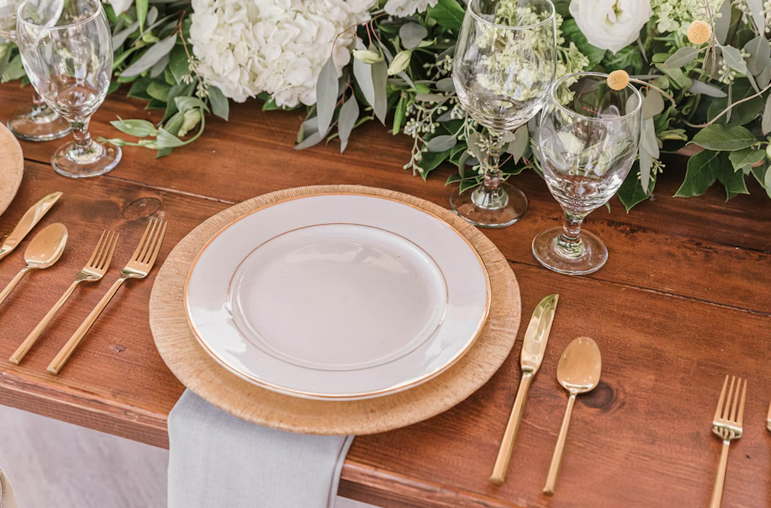
Patterns and prints are an excellent way to subtly reference a culture without needing to collect numerous decorative objects. You might choose dinner plates with Islamic geometric motifs, napkins featuring African wax prints, or coasters bearing Scandinavian folk designs. The key is moderation—select one or two patterned items and keep the rest of your table neutral or solid-colored. This gives the design breathing space while still adding character and story.
Mix Modern Elements With Traditional Touches
If your entire table leans too heavily on cultural decor, it may appear more like a themed event than a relaxed mealtime setup. To keep things grounded, incorporate modern items to balance the traditional ones. For example, pair vintage Japanese bowls with sleek glassware, or accompany hand-carved African salad servers with minimal stoneware plates. This mix of old and new feels intentional and helps the cultural pieces stand out instead of blending into a themed overload. Think of it like a conversation between generations—modern lines meeting ancestral craft.
Let Texture and Material Tell the Story

Sometimes, the material or technique used in a piece can evoke culture more subtly than a flagrant symbol or emblem. Opt for earthenware, wood, stone, or hammered metal that reflects heritage craftsmanship. These pieces hint at cultural roots without being overly loud about it. For example, clay mugs reminiscent of rural Mexican pottery or rough linen placemats woven in Baltic styles add quiet depth to your setup. By focusing on material authenticity, you create a table that feels meaningful yet refined.
Be Selective With Decorative Extras
Resist the urge to add too many accent items like miniature sculptures, lanterns, or religious objects—especially if your table is small. One or two extras may provide charm, but beyond that, they start to steal functional space from the actual dining activity. If you’re incorporating smaller cultural pieces, think vertically: hang something near the dining area instead of crowding the tabletop. Wall art or suspended decor can still offer ambiance without interfering with place settings or serving dishes.
Creating a culturally rich dining table is a rewarding endeavor when approached with purpose and selectivity. It’s about blending meaningful artifacts, materials, and symbols into your dining space without turning it into a display case. Thoughtfully curating a few special pieces—whether inherited or collected—can spark memories, connections, and conversations around the table. When done right, the table becomes a tribute to heritage that doesn’t sacrifice comfort or flow. A balanced mix of culture and simplicity will always leave room for what matters most: sharing meals and stories with those who matter most.…