
Water scarcity is a growing concern for homeowners and communities alike. Professionals from WZ explained how eco-friendly home designs are reshaping the approach to resource management. Implementing water-saving measures can cut utility costs and support the environment. Small changes in water habits can have a significant cumulative effect. Modern designs focus on reducing wastage while keeping daily routines convenient. The right strategies create a balance between comfort and sustainability.
Low-Flow Fixtures and Faucets
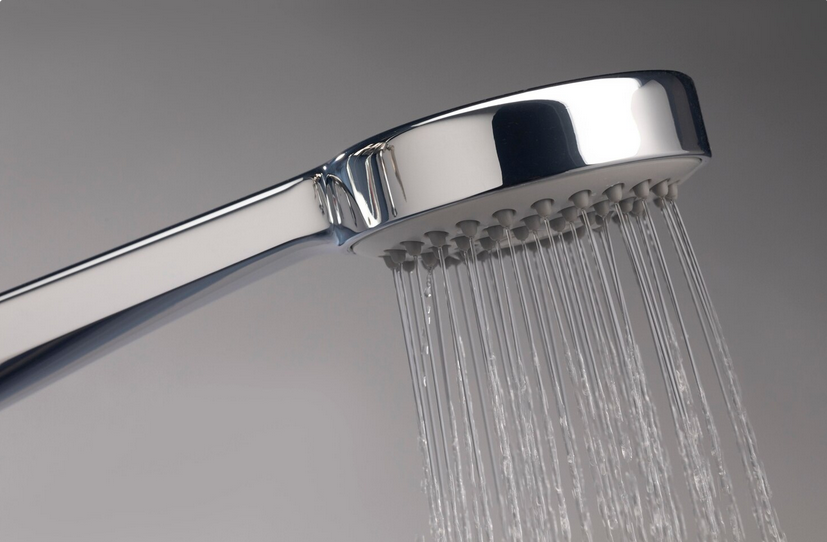 Installing low-flow faucets and showerheads is a simple step with a big impact. These fixtures reduce water usage without compromising the pressure or user experience. Homeowners notice lower bills and less water waste within months of installation. To complement this, aerators can be added to sinks to maintain a strong flow while limiting consumption. Choosing high-efficiency toilets can save hundreds of liters annually. Together, these upgrades transform a home into a water-conscious space.
Rainwater Harvesting Systems
Rainwater harvesting captures rainfall for household and garden use. It reduces reliance on municipal water and minimizes environmental impact. Tanks can collect runoff from rooftops, storing water for irrigation or flushing toilets. In addition, filtration systems ensure that collected rainwater is safe for specific household tasks. Using stored water during dry spells reduces overall water consumption. This approach makes every drop count while embracing sustainable design.
Rain Gardens and Permeable Surfaces
Rain gardens and permeable surfaces manage stormwater while enhancing the property’s appeal. They allow rainwater to naturally infiltrate the ground, reducing runoff and easing pressure on drainage systems. Homeowners can integrate these features into driveways, patios, or garden areas to capture excess water effectively. Native plants in rain gardens filter pollutants and support local ecosystems. Permeable pavers prevent water pooling while maintaining functional outdoor spaces. This approach combines practicality, environmental care, and aesthetic value in one solution.
Greywater Recycling
Greywater recycling involves repurposing water from sinks, showers, and laundry for non-potable uses. This reduces freshwater demand and decreases wastewater production. Systems can be installed to redirect this water to gardens or toilet flushing. Maintaining a simple filtration system prevents contaminants from affecting the recycled water. With minimal maintenance, greywater reuse becomes a reliable water-saving strategy. It demonstrates a practical commitment to eco-conscious living.
Efficient Landscaping Techniques
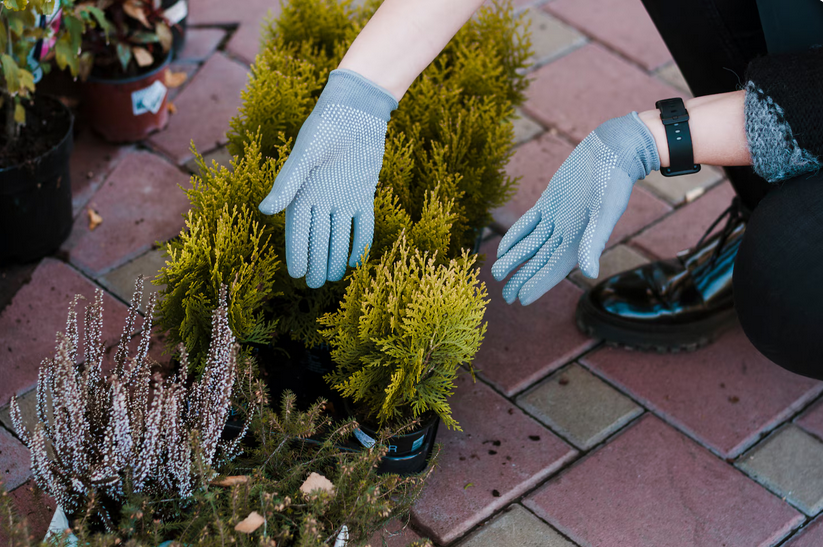
Xeriscaping and native plant gardens help conserve water outdoors. Choosing drought-resistant plants reduces irrigation needs while maintaining an attractive landscape. Mulching around plants retains soil moisture and lowers evaporation rates. Drip irrigation systems deliver water directly to roots, minimizing waste and runoff. These techniques work together to create visually appealing, water-efficient outdoor spaces. Thoughtful landscaping supports both sustainability and aesthetic goals.
Monitoring and Smart Technology
Smart water meters and leak detection systems help homeowners track usage in real time. They alert users to excessive consumption or leaks before they become costly problems. This proactive approach preserves water and reduces bills. Integrating smart irrigation systems adjusts watering schedules based on weather and soil moisture. Homeowners gain both convenience and efficiency with these technologies. Ultimately, combining monitoring tools with other strategies strengthens overall water conservation efforts.
Water conservation in eco-friendly homes is achievable with thoughtful planning. Using low-flow fixtures, rainwater harvesting, greywater recycling, efficient landscaping, and smart monitoring makes a tangible difference. Implementing these strategies creates sustainable spaces that protect resources and enhance everyday living.