Eco-Friendly Home Upgrades Powered by Smart Technology

Living sustainably no longer means making big sacrifices or turning your house upside down. At Westdeutsche Zeitung, we’ve learned that digital innovation and environmentally conscious living are now becoming natural partners. What does it mean? It means it’s going to be easier for homeowners to adopt practical upgrades that save energy every day. The best part is that many of these improvements work quietly in the background. They help your home become greener while making daily routines more convenient.
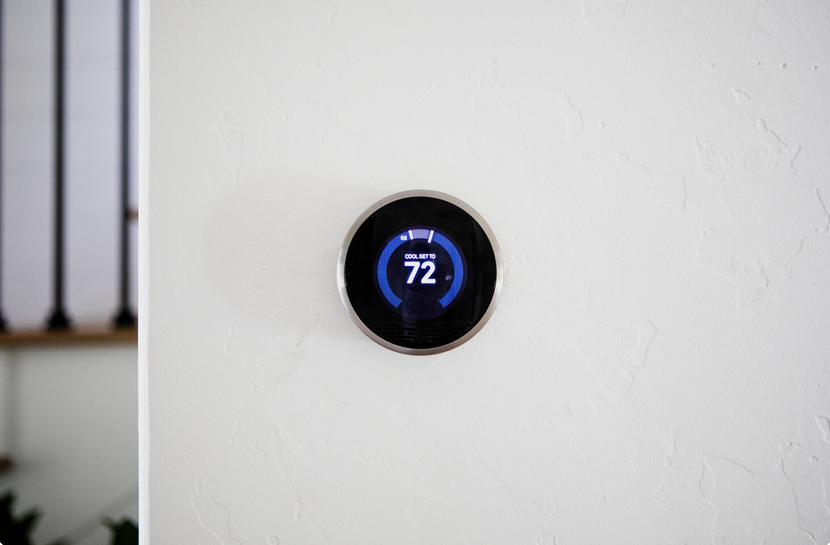
thermostat

Smart Thermostats That Reduce Energy Waste

Heating and cooling often account for a large share of household energy use. A smart thermostat helps reduce unnecessary consumption by automatically adjusting temperatures based on your schedule. Instead of running all day, your system works only when it’s actually needed. That means less wasted energy and a more comfortable home. Picture leaving for work and realizing you forgot to adjust the thermostat. Instead of worrying all day, you can manage it with a quick tap on your phone. Many systems also study your habits over time and make small adjustments without constant input. Saving energy starts to feel effortless instead of becoming another chore on your list.

Smart Irrigation Systems for Healthier Gardens

Outdoor watering is another area where homes often use more water than necessary. Smart irrigation systems monitor weather conditions and soil moisture before deciding when your lawn or garden actually needs water. They avoid watering after rainfall and skip unnecessary cycles during cooler days. Anyone who has accidentally left sprinklers running knows how frustrating that waste can be. Automated watering removes that concern and keeps landscapes healthy without constant supervision. Gardens receive consistent care while homeowners save both time and resources. It’s one of those improvements that quietly pays off throughout the year.

light bulb

Smart Lighting That Uses Power Wisely

Lighting has come a long way from simple on-and-off switches. Smart bulbs and automated lighting systems can switch off when rooms are empty or dim during daylight hours. Those small changes quickly add up over weeks and months. Your electricity bill often reflects the difference before you even notice the habit forming. Convenience plays a big role here as well. Imagine arriving home after sunset with lights greeting you at the front door instead of fumbling for a switch. Motion sensors also prevent lights from staying on in empty rooms for hours. It’s a simple upgrade that combines comfort with responsible energy use.

Smart Energy Monitoring for Better Decisions

Many families have little idea which appliances consume the most electricity. Smart energy monitors change that by providing clear information about household power usage. Seeing real-time data often encourages small adjustments that reduce monthly expenses. Awareness leads to smarter habits without making daily life feel restrictive. For example, you might notice an older appliance drawing power long after it finishes its job. Replacing or changing how it’s used can make a noticeable difference over time. Small corrections often produce meaningful savings without requiring expensive renovations. Good information helps homeowners make practical choices with confidence.

Smart Window Coverings That Improve Efficiency

Window coverings can do much more than provide privacy. Smart blinds automatically adjust throughout the day to block excess heat during summer or welcome natural warmth during colder months. This reduces pressure on heating and cooling systems while helping indoor temperatures remain comfortable. All in all, when combined with other connected systems, these features create a home that uses resources more thoughtfully without asking you to constantly manage every detail. Smart technology proves that eco-friendly living often begins with small decisions that work together every single day.…

How Pool Size Should Match Household Lifestyle Needs

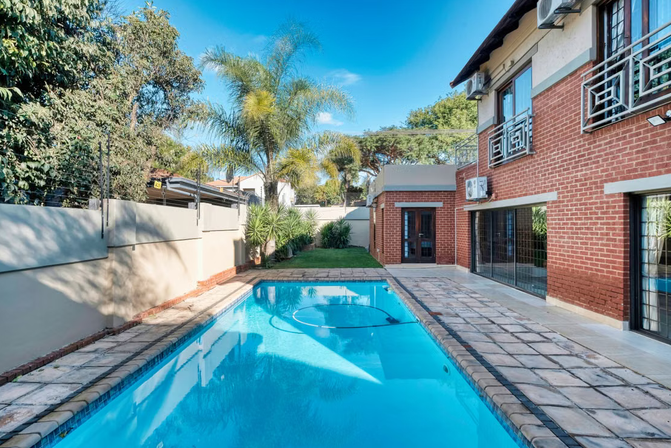
Building a swimming pool is an exciting investment that can improve both outdoor living and property enjoyment. Many homeowners naturally focus on appearance, shape, or decorative features when planning a new pool. However, one of the most important decisions involves selecting the right size. A pool that fits the household’s lifestyle often delivers greater satisfaction than simply choosing the largest design that fits the yard. Daily routines, family activities, maintenance expectations, and available outdoor space all influence what size works best. According to Haus&Garten Test, a carefully planned pool supports long-term enjoyment while remaining practical to operate and maintain. Understanding how pool size should match household lifestyle needs helps homeowners create an outdoor space that serves their family for many years.

Evaluating Everyday Activities

Every family uses a swimming pool differently. Some households enjoy casual relaxation, while others spend hours swimming, exercising, or entertaining guests. A smaller pool may provide everything needed for cooling off, light recreation, or quiet evenings outdoors. Larger households that frequently host gatherings or enjoy water games often benefit from additional swimming space. Families with children may also appreciate areas designed for different activities at the same time. Choosing a pool size based on expected daily use creates a more enjoyable experience than selecting dimensions based only on appearance.

Balancing Backyard Space

A swimming pool becomes one part of the overall outdoor environment rather than the entire backyard. Leaving enough room for other activities helps create a more functional property. Patios, outdoor dining areas, gardens, play spaces, and walking paths all contribute to comfortable outdoor living. An oversized pool may limit flexibility by occupying most of the available yard. A properly sized pool allows homeowners to enjoy swimming while preserving space for relaxation, landscaping, and entertainment. Balanced planning creates an outdoor area that supports multiple activities throughout the year.

Managing Maintenance Responsibilities

Pool maintenance continues long after construction has been completed. Water treatment, cleaning, equipment inspections, and seasonal care all become part of routine ownership. Larger pools generally require more water, additional cleaning time, and increased chemical management because of their greater volume. Filtration systems may also operate longer to maintain water quality. Smaller pools often reduce these ongoing maintenance demands while still providing enjoyable recreational opportunities. Selecting a size that matches the household’s willingness to perform regular maintenance supports long-term satisfaction with pool ownership.

Considering Operating Costs

Every swimming pool creates ongoing operating expenses. Water circulation, filtration, heating, and chemical treatment all contribute to monthly ownership costs. Larger pools typically consume more electricity for pumps and heaters while requiring additional treatment products to maintain proper water balance. Water replacement after evaporation or maintenance also increases with larger volumes. Choosing a pool size that reflects actual household needs helps control these operating costs without reducing overall enjoyment. Careful planning allows homeowners to balance recreation with responsible long-term budgeting.

Supporting Future Family Needs

Household lifestyles often change over time. Children grow older, family sizes evolve, and recreational interests may shift throughout the years. A well-planned pool considers both current and future use rather than focusing only on immediate needs. Families expecting children may prefer designs that provide shallow recreation areas alongside deeper swimming sections. Older homeowners may prioritize relaxation and low-maintenance operation over extensive swimming space. Thinking ahead helps create a pool that remains practical as family routines continue changing. Flexible planning supports greater long-term value from the investment.

Enhancing Overall Property Value

Swimming pools can contribute positively to residential appeal when they complement the property’s layout. Proper sizing plays an important role in achieving this balance. A pool that fits comfortably within the available landscape often creates a more attractive outdoor environment than one that dominates the backyard. Future buyers frequently appreciate properties where outdoor spaces remain functional beyond swimming alone. Patios, green areas, and entertaining spaces continue adding value alongside the pool itself. Matching pool size to both household needs and property dimensions supports better overall design while preserving the home’s long-term market appeal.

Pool size should match household lifestyle needs by supporting everyday activities, balancing backyard space, managing maintenance responsibilities, considering operating costs, preparing for …

How Man and Van Services Handle Last-Minute Relocations

Unexpected moves can be stressful, leaving little time for planning, packing, or coordinating transportation. Last-minute relocations demand flexibility, efficiency, and experienced crews who can respond quickly without compromising safety or organization. Many people turn to trusted providers, such as West London vans, for their ability to manage urgent schedules and adapt to changing circumstances. These services prioritize rapid response, strategic planning, and careful handling to ensure belongings arrive safely despite time constraints. Understanding how man and van services handle last-minute relocations reveals the importance of preparedness, expertise, and agility in making even the most sudden moves run as smoothly as possible.

Rapid Assessment and Planning

boxesWhen a last-minute relocation request is received, the first step involves rapid assessment. Man and van teams quickly evaluate the volume of items, property access conditions, and transportation requirements. This assessment allows movers to determine the necessary resources, optimal vehicle size, and number of personnel required. Even with limited time, a structured plan ensures that essential details are addressed, reducing the likelihood of delays or overlooked tasks.

Flexible Scheduling and Availability

A key advantage of man-and-van services is their flexible scheduling. Many providers operate beyond traditional business hours, including evenings and weekends, to accommodate urgent requests. This flexibility allows homeowners to select times that align with their immediate needs, avoiding conflicts with other obligations. By offering adaptable scheduling, man and van services ensure that relocation can proceed despite time-sensitive constraints.

Strategic Route Planning and Transportation

Transportation efficiency is another crucial element in last-minute relocations. Man and van teams optimize routes to minimize travel time and avoid congestion, accounting for traffic patterns, access restrictions, and multiple stops as needed. Vehicles are loaded strategically to allow easy unloading and to prevent delays at each destination. This careful planning ensures timely delivery even under pressing circumstances.

Efficient Packing and Handling Solutions

blanket

Time-efficient packing strategies are critical for last-minute moves. Movers often prioritize essential items, use modular packing techniques, and employ professional equipment to streamline the process. Protective materials such as blankets, straps, and boxes are quickly deployed to prevent damage. Efficient handling reduces both the physical and temporal burden, allowing the move to proceed smoothly under compressed timelines.

Communication and Coordination

Clear communication is essential for managing last-minute relocations effectively. Teams maintain constant contact with homeowners to confirm schedules, provide updates, and address emerging challenges. Internally, movers coordinate closely to ensure personnel, vehicles, and equipment align with the compressed timeline. This communication minimizes confusion, streamlines workflow, and maintains a sense of control for the client.

Man and van services handle last-minute relocations by combining rapid assessment, flexible scheduling, efficient packing, strategic transportation, and proactive communication. Their ability to adapt quickly to urgent circumstances ensures that relocations can be completed safely, efficiently, and with minimal disruption. By integrating planning and operational flexibility, these services deliver reliable solutions even under tight deadlines.…