
Building a fence might seem like a straightforward project, but there’s more to it than just digging holes and putting up panels. Whether you’re hoping to add privacy, increase security, or simply give your yard some structure, a fence can have a big impact—both visually and legally. Before you head to the hardware store or call a contractor, there are a few important things to think through that could save you time, money, and frustration.
Consider Your Purpose
Before choosing a style or material, it’s important to ask yourself why you want a fence in the first place. Are you trying to keep pets in the yard? Create a buffer from the neighbors? Add curb appeal? The answer will shape everything from how tall the fence should be to what type of gate you’ll need. For example, if your main concern is security, understanding the pros and cons of fence gates as a security feature can help you design a setup that feels both safe and practical without going overboard or breaking your budget.
Know Your Property Lines
One of the most common headaches with fencing projects is accidentally crossing into a neighbor’s property. It might seem harmless, but it can lead to disputes and even legal trouble. Before you install anything, double-check your property boundaries. Your city or county should have a plot map on file, or you can hire a surveyor to confirm. Having a clear understanding of your lot lines ensures that your fence won’t need to be moved later, which can be expensive and stressful.
Check Local Rules and HOA Guidelines
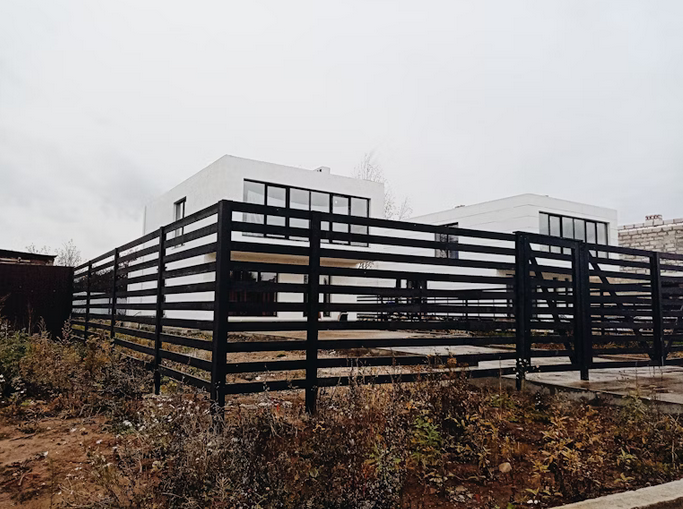
Every municipality has its own zoning laws and building codes that dictate what kind of fences are allowed. These rules might limit the height of your fence, how close it can be to sidewalks or roads, or what materials you can use. If you live in a neighborhood with a homeowners association (HOA), you’ll also need to make sure your design complies with their regulations. Ignoring these rules can lead to fines or having to redo your fence altogether.
Think About Maintenance
Wood fences can look warm and classic, but they often require the most upkeep—like staining, sealing, or replacing warped boards. Vinyl and metal fences might be more durable and easier to maintain, but they come with their own costs and aesthetic limitations. Think about how much time and effort you’re willing to put into your fence once it’s built. It’s better to choose something sustainable long-term than regret your decision down the road.
Don’t Forget the Neighbors
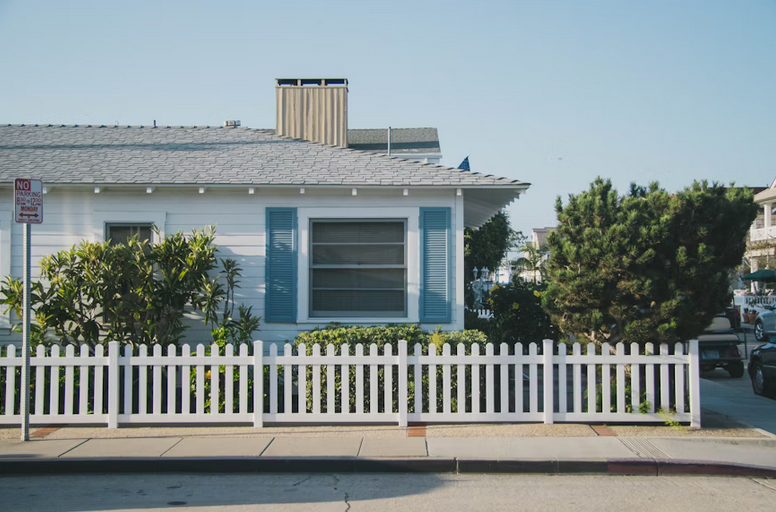
While you’re not required to get your neighbors’ approval before building a fence (unless it crosses property lines), it’s still a good idea to let them know your plans. This is especially true if the fence will impact their view, access, or overall yard space. A quick conversation can go a long way toward avoiding tension later. Plus, in some cases, neighbors might be willing to share the cost if the fence benefits both sides.
A fence can be a fantastic addition to your home—it can improve safety, privacy, and even property value. But building one without careful planning can lead to some costly missteps. By thinking through your goals, understanding your property, and staying informed about local guidelines, you can create a fence that serves your needs and stands the test of time. A little planning now can save you a lot of hassle later.…