Moving house sounds simple—until you’re knee-deep in boxes, wrapping paper, and bubble wrap that just won’t pop. It always starts with confidence: “We don’t have that much stuff.” Fast forward a few hours and your back is aching, your valuables are nowhere to be found, and someone’s yelling about lost charger cables. Let’s face it—moving is one of those tasks that seems doable until reality hits. That’s where professional movers, including the man with a van in Romford, step in. They don’t just show up with a truck—they bring sanity to the chaos.
Your Stuff Deserves Better Than a DIY Disaster
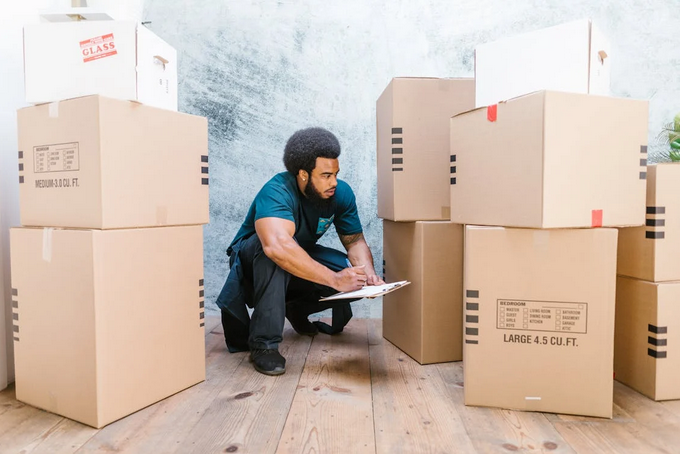
You might trust your cousin to help you lift that antique dresser, but will you trust him when it crashes into the doorframe? There’s a reason professionals have tools like lifting straps, dollies, and those mysterious packing blankets. They know how to carry things without smashing your walls or your grandmother’s lamp. Most homeowners don’t have the experience to pack a truck properly, which leads to broken items and wasted space. Think of it like playing Tetris, but every piece is heavy and fragile. Movers make those tight fits look like magic.
Time Is a Sneaky Thief
 People always underestimate how long a move takes. Packing alone can eat up days, and that’s before loading and transport even begin. Professional movers work fast and efficiently—because they’ve done this hundreds of times. What takes you twelve hours might take them three, with fewer arguments and far less sweat. They show up, get to work, and don’t get distracted by old photo albums or pizza breaks. That saved time? It could go toward actually settling into your new place.
Injuries Are Not a Moving Day Souvenir
Ever thrown out your back carrying a box labeled “books” that felt like it was full of bricks? That’s how many DIY moves go. Lifting heavy furniture and hauling boxes up and down stairs is no joke. Pros are trained to lift correctly and work in teams to avoid injuries. Homeowners often rush, overdo it, or simply don’t know their limits—and end up paying for it with sprains or worse. Paying for movers might actually save you a trip to urgent care.
Peace of Mind Is Worth Its Weight in Bubble Wrap
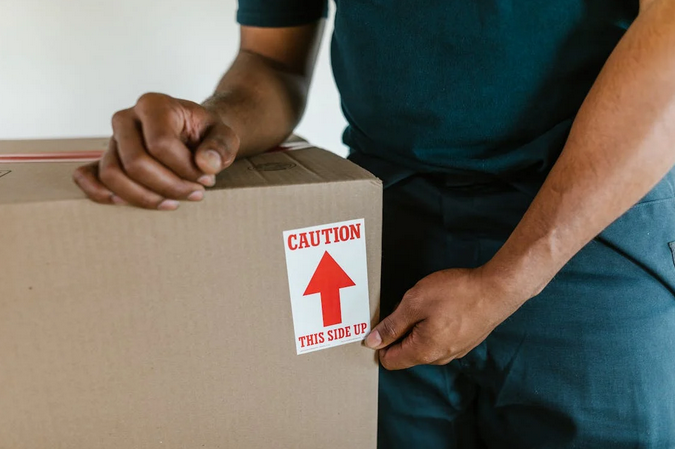
There’s a kind of stress that only comes from watching your flat-screen TV wobble in the back of a borrowed pickup. With professional movers, you hand over that stress. They’re insured, so if something does break, you’re not left holding the bill. They’ll handle the logistics while you focus on updating your address, prepping the kids, or finding the coffee maker. You don’t have to worry about whether the boxes are labeled correctly or if the mattress will fit through the hallway. They’ve seen it all, and they’ve handled worse.
Moving is like trying to herd cats while blindfolded—confusing, frustrating, and full of surprises. Homeowners often think they’re saving money by doing it themselves, but the real cost shows up in time lost, things broken, and backs strained. Hiring movers isn’t about being fancy; it’s about being smart. They turn what would be a week-long headache into a smooth transition. So, skip the stress, keep your spine intact, and let the pros do what they do best. You’ll thank yourself when you’re relaxing on the couch instead of untangling extension cords at midnight.…