Electrical System Maintenance Tips for a Safer and More Beautiful Home

Maintaining a home involves more than just keeping it clean and organized. Your electrical system is the backbone of modern living, powering everything from lighting and appliances to smart home devices. Neglecting it can lead to safety hazards, higher energy bills, and even costly repairs. On the flip side, well-maintained electrical systems not only improve safety but also enhance the comfort and beauty of your home. With a few practical tips and regular upkeep, you can ensure your electrical setup is reliable, efficient, and visually pleasing.

Scheduling Professional Electrical Service

electrician One of the smartest ways to maintain a safe home is by scheduling regular electrical service. Licensed professionals can inspect your wiring, circuit breakers, and outlets for signs of wear or potential hazards. They can also recommend upgrades that improve efficiency and modernize your system, such as adding extra outlets, installing dimmer switches, or updating old panels. Regular professional inspections help prevent emergencies, give you peace of mind, and ensure your home stays both safe and functional.

Checking and Replacing Old Wiring

Worn-out or outdated wiring is a common source of electrical problems. Homes built decades ago may still have knob-and-tube or aluminum wiring, which can pose fire risks or limit the performance of modern appliances. Even copper wiring can deteriorate over time. Periodically checking your wiring for signs of damage, fraying, or discoloration is essential. Replacing old wires with modern, high-quality materials improves safety, reduces the risk of outages, and supports the consistent operation of all your devices.

Inspecting Outlets and Switches

Loose or malfunctioning outlets and switches are more than minor annoyances—they can be a serious safety hazard. Check outlets for warmth, sparks, or unusual sounds, and replace any that appear damaged. Upgrading your outlets to include USB ports or installing stylish switch plates can also improve functionality and aesthetic appeal. Small updates like these can make a room look more polished while ensuring that your electrical system remains reliable.

Upgrading Lighting for Safety and Ambiance

Lighting serves both functional and aesthetic purposes. Replacing outdated fixtures with energy-efficient LEDs not only reduces your electricity bills but also enhances the look and feel of your space. Consider installing dimmers or smart lighting systems to customize the ambiance for different rooms. Properly maintained lighting, combined with updated fixtures, can transform your home’s atmosphere while preventing overheating and reducing fire risks from old bulbs or faulty sockets.

Maintaining Circuit Breakers and Panels

panel

Circuit breakers and panels are critical to preventing overloads and protecting your home from electrical fires. Periodically testing breakers and ensuring panels are not blocked or exposed to moisture is crucial. If you notice frequent trips or flickering lights, it may indicate that your panel is outdated or struggling to handle your home’s energy demands. Professional evaluation can identify necessary upgrades, helping your system work efficiently while keeping your home safe.

Keeping Cords and Appliances Organized

Messy cords and overloaded power strips are a frequent cause of household accidents. Make a habit of organizing cables, unplugging devices when not in use, and avoiding daisy-chaining multiple power strips. Using cord covers, surge protectors, and properly rated extension cords not only reduces tripping hazards but also protects sensitive electronics. A tidy, well-managed system keeps your home looking neat and minimizes the chance of electrical problems.

Maintaining your home’s electrical system is a key component of safety, efficiency, and style. From scheduling professional service to inspecting wiring, outlets, and panels, these routine practices help prevent hazards while keeping your home functional and beautiful. Small upgrades in lighting, cord management, and outlet design can enhance both safety and aesthetics, giving you peace of mind and a polished living space. With consistent attention and professional guidance, your electrical system can remain a reliable, safe, and visually appealing part of your home for years to come.…


Before You Build That Fence: Key Things Every Homeowner Should Consider

Building a fence might seem like a straightforward project, but there’s more to it than just digging holes and putting up panels. Whether you’re hoping to add privacy, increase security, or simply give your yard some structure, a fence can have a big impact—both visually and legally. Before you head to the hardware store or call a contractor, there are a few important things to think through that could save you time, money, and frustration.

Consider Your Purpose

Before choosing a style or material, it’s important to ask yourself why you want a fence in the first place. Are you trying to keep pets in the yard? Create a buffer from the neighbors? Add curb appeal? The answer will shape everything from how tall the fence should be to what type of gate you’ll need. For example, if your main concern is security, understanding the pros and cons of fence gates as a security feature can help you design a setup that feels both safe and practical without going overboard or breaking your budget.

Know Your Property Lines

One of the most common headaches with fencing projects is accidentally crossing into a neighbor’s property. It might seem harmless, but it can lead to disputes and even legal trouble. Before you install anything, double-check your property boundaries. Your city or county should have a plot map on file, or you can hire a surveyor to confirm. Having a clear understanding of your lot lines ensures that your fence won’t need to be moved later, which can be expensive and stressful.

Check Local Rules and HOA Guidelines

Every municipality has its own zoning laws and building codes that dictate what kind of fences are allowed. These rules might limit the height of your fence, how close it can be to sidewalks or roads, or what materials you can use. If you live in a neighborhood with a homeowners association (HOA), you’ll also need to make sure your design complies with their regulations. Ignoring these rules can lead to fines or having to redo your fence altogether.

Think About Maintenance

Wood fences can look warm and classic, but they often require the most upkeep—like staining, sealing, or replacing warped boards. Vinyl and metal fences might be more durable and easier to maintain, but they come with their own costs and aesthetic limitations. Think about how much time and effort you’re willing to put into your fence once it’s built. It’s better to choose something sustainable long-term than regret your decision down the road.

Don’t Forget the Neighbors

While you’re not required to get your neighbors’ approval before building a fence (unless it crosses property lines), it’s still a good idea to let them know your plans. This is especially true if the fence will impact their view, access, or overall yard space. A quick conversation can go a long way toward avoiding tension later. Plus, in some cases, neighbors might be willing to share the cost if the fence benefits both sides.

A fence can be a fantastic addition to your home—it can improve safety, privacy, and even property value. But building one without careful planning can lead to some costly missteps. By thinking through your goals, understanding your property, and staying informed about local guidelines, you can create a fence that serves your needs and stands the test of time. A little planning now can save you a lot of hassle later.…

Water Conservation Strategies in Eco-Friendly Home Design

Water scarcity is a growing concern for homeowners and communities alike. Professionals from WZ explained how eco-friendly home designs are reshaping the approach to resource management. Implementing water-saving measures can cut utility costs and support the environment. Small changes in water habits can have a significant cumulative effect. Modern designs focus on reducing wastage while keeping daily routines convenient. The right strategies create a balance between comfort and sustainability.

Low-Flow Fixtures and Faucets

shower Installing low-flow faucets and showerheads is a simple step with a big impact. These fixtures reduce water usage without compromising the pressure or user experience. Homeowners notice lower bills and less water waste within months of installation. To complement this, aerators can be added to sinks to maintain a strong flow while limiting consumption. Choosing high-efficiency toilets can save hundreds of liters annually. Together, these upgrades transform a home into a water-conscious space.



Rainwater Harvesting Systems

Rainwater harvesting captures rainfall for household and garden use. It reduces reliance on municipal water and minimizes environmental impact. Tanks can collect runoff from rooftops, storing water for irrigation or flushing toilets. In addition, filtration systems ensure that collected rainwater is safe for specific household tasks. Using stored water during dry spells reduces overall water consumption. This approach makes every drop count while embracing sustainable design.

Rain Gardens and Permeable Surfaces

Rain gardens and permeable surfaces manage stormwater while enhancing the property’s appeal. They allow rainwater to naturally infiltrate the ground, reducing runoff and easing pressure on drainage systems. Homeowners can integrate these features into driveways, patios, or garden areas to capture excess water effectively. Native plants in rain gardens filter pollutants and support local ecosystems. Permeable pavers prevent water pooling while maintaining functional outdoor spaces. This approach combines practicality, environmental care, and aesthetic value in one solution.

Greywater Recycling

Greywater recycling involves repurposing water from sinks, showers, and laundry for non-potable uses. This reduces freshwater demand and decreases wastewater production. Systems can be installed to redirect this water to gardens or toilet flushing. Maintaining a simple filtration system prevents contaminants from affecting the recycled water. With minimal maintenance, greywater reuse becomes a reliable water-saving strategy. It demonstrates a practical commitment to eco-conscious living.

Efficient Landscaping Techniques

gloves

Xeriscaping and native plant gardens help conserve water outdoors. Choosing drought-resistant plants reduces irrigation needs while maintaining an attractive landscape. Mulching around plants retains soil moisture and lowers evaporation rates. Drip irrigation systems deliver water directly to roots, minimizing waste and runoff. These techniques work together to create visually appealing, water-efficient outdoor spaces. Thoughtful landscaping supports both sustainability and aesthetic goals.

Monitoring and Smart Technology

Smart water meters and leak detection systems help homeowners track usage in real time. They alert users to excessive consumption or leaks before they become costly problems. This proactive approach preserves water and reduces bills. Integrating smart irrigation systems adjusts watering schedules based on weather and soil moisture. Homeowners gain both convenience and efficiency with these technologies. Ultimately, combining monitoring tools with other strategies strengthens overall water conservation efforts.

Water conservation in eco-friendly homes is achievable with thoughtful planning. Using low-flow fixtures, rainwater harvesting, greywater recycling, efficient landscaping, and smart monitoring makes a tangible difference. Implementing these strategies creates sustainable spaces that protect resources and enhance everyday living.…

Tips for Creating a Culturally Rich Dining Table Without Overcrowding It

Setting a dining table that reflects cultural appreciation can be both meaningful and stylish—if done with a sense of balance. Whether you’re showcasing your heritage, celebrating traditions, or simply drawn to global aesthetics, there’s an art to making your table reflect cultural depth without it feeling chaotic. From patterns inspired by ancient traditions to handcrafted items rooted in heritage, cultural decor has a place on your table, so long as it plays nicely with function and flow. For more guidance on elevating your table setup, check out these trendy tableware ideas to try this year.

A culturally rich table can stir conversation, invoke nostalgia, or introduce something fresh to your guests. But it doesn’t have to feel like a museum display. Let’s break down some tips to help you design a cultural dining table that feels collected, not cluttered.

Start With a Cultural Focal Piece

Rather than covering your table with various globally inspired items, begin with a single standout piece. This could be a ceramic platter from Morocco, a handwoven table runner from Guatemala, or a brass teapot from India. Use this as your grounding element. Building your table around one cultural item allows it to shine, while also preventing your display from turning into visual noise. Once you have your feature item in place, the rest of your table setup can take cues from its texture, material, or palette. This approach keeps the design cohesive without overloading it with too many competing elements.

Choose Cultural Patterns Over Replicas

coaster

Patterns and prints are an excellent way to subtly reference a culture without needing to collect numerous decorative objects. You might choose dinner plates with Islamic geometric motifs, napkins featuring African wax prints, or coasters bearing Scandinavian folk designs. The key is moderation—select one or two patterned items and keep the rest of your table neutral or solid-colored. This gives the design breathing space while still adding character and story.

Mix Modern Elements With Traditional Touches

If your entire table leans too heavily on cultural decor, it may appear more like a themed event than a relaxed mealtime setup. To keep things grounded, incorporate modern items to balance the traditional ones. For example, pair vintage Japanese bowls with sleek glassware, or accompany hand-carved African salad servers with minimal stoneware plates. This mix of old and new feels intentional and helps the cultural pieces stand out instead of blending into a themed overload. Think of it like a conversation between generations—modern lines meeting ancestral craft.

Let Texture and Material Tell the Story

centerpiece

Sometimes, the material or technique used in a piece can evoke culture more subtly than a flagrant symbol or emblem. Opt for earthenware, wood, stone, or hammered metal that reflects heritage craftsmanship. These pieces hint at cultural roots without being overly loud about it. For example, clay mugs reminiscent of rural Mexican pottery or rough linen placemats woven in Baltic styles add quiet depth to your setup. By focusing on material authenticity, you create a table that feels meaningful yet refined.

Be Selective With Decorative Extras

Resist the urge to add too many accent items like miniature sculptures, lanterns, or religious objects—especially if your table is small. One or two extras may provide charm, but beyond that, they start to steal functional space from the actual dining activity. If you’re incorporating smaller cultural pieces, think vertically: hang something near the dining area instead of crowding the tabletop. Wall art or suspended decor can still offer ambiance without interfering with place settings or serving dishes.

Creating a culturally rich dining table is a rewarding endeavor when approached with purpose and selectivity. It’s about blending meaningful artifacts, materials, and symbols into your dining space without turning it into a display case. Thoughtfully curating a few special pieces—whether inherited or collected—can spark memories, connections, and conversations around the table. When done right, the table becomes a tribute to heritage that doesn’t sacrifice comfort or flow. A balanced mix of culture and simplicity will always leave room for what matters most: sharing meals and stories with those who matter most.…

Why Homeowners Should Leave Moving to the Experts

Moving house sounds simple—until you’re knee-deep in boxes, wrapping paper, and bubble wrap that just won’t pop. It always starts with confidence: “We don’t have that much stuff.” Fast forward a few hours and your back is aching, your valuables are nowhere to be found, and someone’s yelling about lost charger cables. Let’s face it—moving is one of those tasks that seems doable until reality hits. That’s where professional movers, including the man with a van in Romford, step in. They don’t just show up with a truck—they bring sanity to the chaos.

Your Stuff Deserves Better Than a DIY Disaster

handling stuff

You might trust your cousin to help you lift that antique dresser, but will you trust him when it crashes into the doorframe? There’s a reason professionals have tools like lifting straps, dollies, and those mysterious packing blankets. They know how to carry things without smashing your walls or your grandmother’s lamp. Most homeowners don’t have the experience to pack a truck properly, which leads to broken items and wasted space. Think of it like playing Tetris, but every piece is heavy and fragile. Movers make those tight fits look like magic.

Time Is a Sneaky Thief

People always underestimate how long a move takes. Packing alone can eat up days, and that’s before loading and transport even begin. Professional movers work fast and efficiently—because they’ve done this hundreds of times. What takes you twelve hours might take them three, with fewer arguments and far less sweat. They show up, get to work, and don’t get distracted by old photo albums or pizza breaks. That saved time? It could go toward actually settling into your new place.

Injuries Are Not a Moving Day Souvenir

Ever thrown out your back carrying a box labeled “books” that felt like it was full of bricks? That’s how many DIY moves go. Lifting heavy furniture and hauling boxes up and down stairs is no joke. Pros are trained to lift correctly and work in teams to avoid injuries. Homeowners often rush, overdo it, or simply don’t know their limits—and end up paying for it with sprains or worse. Paying for movers might actually save you a trip to urgent care.

Peace of Mind Is Worth Its Weight in Bubble Wrap

There’s a kind of stress that only comes from watching your flat-screen TV wobble in the back of a borrowed pickup. With professional movers, you hand over that stress. They’re insured, so if something does break, you’re not left holding the bill. They’ll handle the logistics while you focus on updating your address, prepping the kids, or finding the coffee maker. You don’t have to worry about whether the boxes are labeled correctly or if the mattress will fit through the hallway. They’ve seen it all, and they’ve handled worse.

Moving is like trying to herd cats while blindfolded—confusing, frustrating, and full of surprises. Homeowners often think they’re saving money by doing it themselves, but the real cost shows up in time lost, things broken, and backs strained. Hiring movers isn’t about being fancy; it’s about being smart. They turn what would be a week-long headache into a smooth transition. So, skip the stress, keep your spine intact, and let the pros do what they do best. You’ll thank yourself when you’re relaxing on the couch instead of untangling extension cords at midnight.…

Best Heavy-Duty Wood Types for Log Cabins: Good Durability & Aesthetics

Building a log cabin is more than just a construction project; it’s about creating a cozy sanctuary where nature and comfort collide. The choice of wood plays a crucial role in shaping the character, durability, and aesthetic appeal of your cabin. In fact, what log size means for your build along with the type of wood you choose will be the biggest determinants of the structure’s longevity.

Heavy-duty wood types are ideal for log cabins because of their ability to withstand harsh elements and resist decay. Whether you prefer rustic charm or modern sophistication, certain woods stand out for their strength and beauty. Let’s learn some of the best heavy-duty wood types that not only promise longevity but also enhance the visual allure of your log haven.

Pine

Pine is a popular choice for log cabins, and for good reason. Known for its lightweight nature, it’s easy to work with and offers excellent insulation properties. This wood species can keep your cabin warm in the winter while staying cool during the summer months. Its natural yellowish hue adds warmth to any space. Pine’s grain patterns are visually appealing, providing a rustic charm that many homeowners desire. The knots within the wood give each piece a unique character. Another advantage of pine is its affordability compared to other hardwoods. It makes it an attractive option for budget-conscious builders looking to achieve beauty without breaking the bank.

Cedar

cedar plank

Cedarwood stands out as a top choice for log cabins. Its warm hues and rich aroma create an inviting atmosphere that many homeowners cherish. One of cedar’s most remarkable features is its natural resistance to decay and pests. This durability means that your cabin can withstand the elements without deteriorating quickly. In addition to its strength, cedar offers excellent insulation properties. It helps keep your cabin cozy in winter while staying cool in summer, contributing to energy efficiency. The grain patterns are visually striking, adding character to any structure. Cedar’s beauty can shine through both stained and natural finishes, allowing versatility in design.

Spruce

Spruce is a popular choice for log cabins due to its excellent strength-to-weight ratio. This softwood is lightweight, making it easier to handle during construction while still providing solid structural support. One of the standout features of spruce is its natural resistance to warping and twisting. This durability ensures that your cabin maintains its integrity over time, especially in varying weather conditions. Aesthetically, spruce has a light color with subtle grain patterns that can add an inviting warmth to any space. It can also be easily stained or painted if you want a different look. Moreover, spruce tends to be more affordable compared to other hardwoods.

Oak

oak

Oak is a classic choice for log cabins, known for its strength and durability. This hardwood can withstand the test of time while adding a rustic charm to any structure. Its natural grain patterns create stunning visuals that appeal to many homeowners. One of the standout features of oak is its resistance to wear and tear. It handles moisture well, making it ideal for various climates. Whether you’re in a rainy area or somewhere drier, oak maintains its integrity over the years. From light tan shades to deep browns, oak offers diverse color options that enhance aesthetic appeal. The rich hues complement other materials beautifully.

Choosing the right wood for your log cabin is crucial. Each type offers unique benefits, balancing durability and aesthetics. When considering these heavy-duty wood types, think about what matters most to you, whether it’s cost-effectiveness or visual appeal. Each wood has something special to offer your log cabin project.…

Choosing the Best Solar Panel System for Your Home: Best Tips

If you’ve decided to invest in solar energy for your home, congratulations! Solar power is an excellent way to save on energy costs and reduce your carbon footprint. But to truly make the most of your investment, proper maintenance is key. For that particular reason, solar panel cleaning is an absolute must. So, how do you find the best solar panel for peak efficiency?

Consider Your Energy Needs

Before choosing a solar panel system, it’s important to evaluate how much energy your household uses. This will help determine the size of the system you need. Solar panels come in various sizes and efficiencies, so understanding your average energy consumption is the first step.

Look at your electric bills over the past year to see your average monthly energy usage. Once you have that data, you can use it to calculate how many panels you’ll need. Keep in mind that your energy needs may change over time. For example, if you plan on purchasing more appliances or adding an electric vehicle to your home, you’ll want to account for those changes in your calculations.

Prioritize Efficiency and Type of Solar Panel

There are three main types of solar panels available: monocrystalline, polycrystalline, and thin-film. Each has its own pros and cons:

  1. Monocrystalline panels: They are the most efficient and tend to be the most expensive. They are made from a single crystal structure, which allows them to absorb sunlight more effectively.
  2. Polycrystalline panels: These are less efficient than monocrystalline but also more affordable. These panels are made from multiple crystal structures, which slightly reduces their ability to absorb sunlight.
  3. Thin-film panels: Need something lightweight and flexible? These are for you. But they have the lowest efficiency compared to the other two types. They are ideal for larger spaces, where more panels can be installed to compensate for the lower efficiency.

When selecting your solar panel system, consider both the efficiency of the panels and the space available on your roof. In some cases, it may make sense to opt for the more efficient monocrystalline panels, especially if you have limited roof space.

roof space

Consider Roof Space and Panel Placement

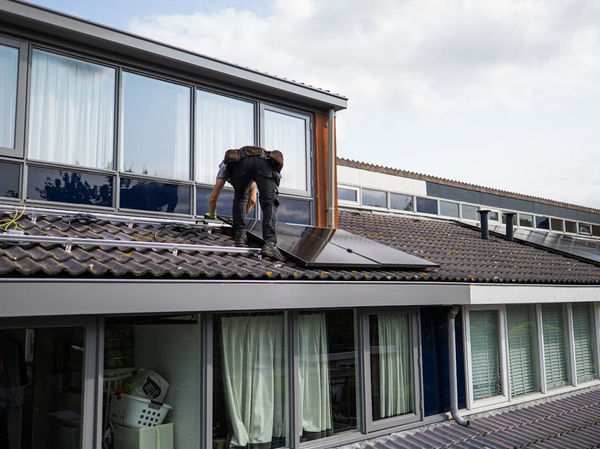
Your roof space plays a significant role in the type and number of solar panels you can install. A roof that faces south is great for solar panels because it gets the most sunlight every day. However, east- or west-facing roofs can still work, though they may not generate as much energy as a south-facing roof. If your roof is shaded by trees or nearby structures, you may need to clear the area to maximize sunlight exposure. The amount of roof space available will also determine how many panels can be installed. If your roof is small or has limited space, consider high-efficiency panels that produce more power with fewer units.

Think About Inverters and Battery Storage

When setting up a solar panel system, don’t forget about the inverter and battery storage. The inverter is responsible for converting the DC power produced by the solar panels into AC power, which is used by your home. There are two main types of inverters homeowners often use. String inverters are the traditional choice and are suitable for systems with panels that receive similar amounts of sunlight. Microinverters are a newer technology that allows each panel to operate independently. This is beneficial if some of your panels will be shaded at different times of the day, as it maximizes the overall efficiency of the system.…

Residential Demolition: When and Why You Might Need a Professional Contractor

Residential demolition can be a daunting task, whether you’re planning to renovate an old home or clear land for new construction. Understanding the ins and outs of this process is essential before you grab that sledgehammer. Demolition isn’t just about tearing down walls. It’s a complex operation that requires careful planning and execution. Hiring the best demolition service can ensure the job is done safely and efficiently, saving you time, money, and headaches down the road. So, let’s dive into the world of residential demolition and explore what it entails.

Different Types of Residential Demolition

Residential demolition comes in various forms, each serving a specific purpose. Selective demolition focuses on removing particular parts of a structure while preserving others. This method is often used when homeowners want to renovate or remodel without tearing down the entire building. Partial demolition involves taking down sections of a home, such as an addition that no longer fits with the overall layout. This approach can help create more functional spaces without starting from scratch. Complete demolition is the most extensive type. It entails clearing everything from the site and is typically necessary for properties beyond repair or when planning new construction.

When to Consider a Professional Contractor for Demolition Work

Deciding when to hire a professional contractor for residential demolition can be tricky. If you’re dealing with an entire structure, such as an old house or garage, expertise is key. Consider the age and condition of the property. Older buildings might contain hazardous materials like asbestos or lead paint. Professionals know how to handle these safely. If your project involves heavy machinery, skilled labor is essential. A seasoned contractor will have access to the right tools and equipment, ensuring efficiency and safety throughout the process.

Benefits of Hiring a Professional Contractor for Residential Demolition

residences being demolished

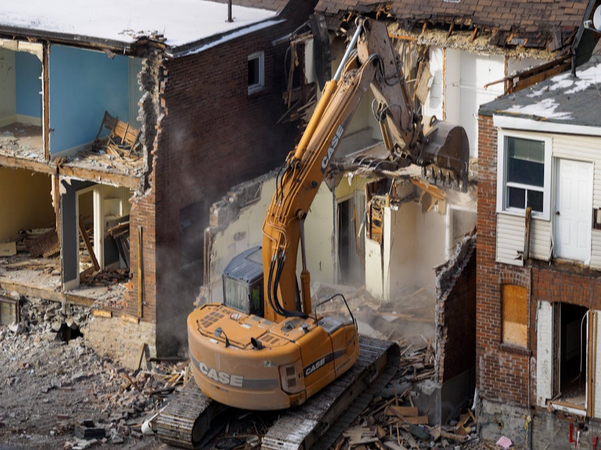
Hiring a professional contractor for residential demolition brings expertise to the table. These specialists understand the complexities of different structures and materials. Their experience ensures that the process is efficient and effective. Safety is another critical advantage. Professionals are trained to handle hazardous situations, reducing risks associated with demolition work. They follow strict safety protocols that protect not only themselves but also your property and neighboring homes. Additionally, they have access to advanced tools and equipment. This means tasks can be completed swiftly while minimizing damage to surrounding areas. A licensed contractor navigates local regulations effortlessly, preventing costly delays or fines due to non-compliance. Their knowledge of permits and legal requirements simplifies what can often be a complicated process.

Questions to Ask Before Hiring a Contractor

Choosing the right contractor is crucial for a successful demolition project. Start by asking about their experience. How many residential demolitions have they completed? This will give you insight into their expertise. Next, inquire about licensing and insurance. This protects you from liabilities and ensures you’re qualified for the job. Don’t forget to discuss timelines. Ask how long they anticipate the project will take and what factors could cause delays. Request references from past clients as well. Speaking with previous customers can reveal a lot about their work ethic and reliability.

Safety Measures and Regulations for Residential Demolition

Safety is paramount in residential demolition projects. Before starting any work, familiarizing yourself with local regulations is essential. Each municipality may have specific permits and guidelines to follow. Proper protective gear is a must for anyone on-site. Hard hats, gloves, goggles, and steel-toed boots can prevent injuries from falling debris or sharp tools. Additionally, it’s crucial to assess the structure beforehand. Identifying hazardous materials like asbestos or lead paint requires specialized handling by trained professionals. Dust control measures should also be implemented to minimize air pollution and safeguard neighboring properties. This could include water spraying or using dust barriers.

Residential demolition can be a significant undertaking, whether it’s for renovations, land clearing, or safety concerns. Understanding the types of demolition and knowing when to call in a professional contractor is crucial for ensuring the project runs smoothly. Hiring experts brings numerous advantages. They possess the necessary experience, equipment, and knowledge of local regulations that help avoid potential pitfalls. …

How to Choose the Right Luxury Condo: A Buyer’s Guide

Luxury condos have become a symbol of modern living, offering an enticing blend of comfort and sophistication. With their sleek designs and premium amenities, they are more than just places to live. They represent a lifestyle that many aspire to achieve. However, the process of choosing the right luxury condo can be overwhelming. With so many options available in various locations, it’s essential to navigate this journey with clarity and purpose. Whether you’re looking for a serene getaway or a vibrant urban retreat, understanding your needs is crucial in finding the perfect space.

Understanding Your Needs and Budget

Understanding your needs and budget is the cornerstone of finding the perfect luxury condo. Before diving into listings, take a moment to reflect on what truly matters to you. Consider your lifestyle preferences. Do you need a home office or extra bedrooms for guests? Is an open floor plan essential for entertaining? Pinpointing these elements will guide your search effectively. Next, establish a realistic budget that encompasses not just the purchase price but also ongoing expenses like HOA fees and property taxes. Luxury condos can carry additional costs that may surprise first-time buyers. Flexibility in your budget can be beneficial too. It allows room for unexpected upgrades or desirable locations that might stretch finances slightly but offer immense value in return.

Amenities and Services to Look for

When exploring luxury condos, amenities can make a significant difference. Think about what enhances your lifestyle. A well-equipped fitness center may be essential if you prioritize health and wellness. Consider the communal spaces, too. Rooftop gardens or lounges offer stunning views and great spots for socializing. A pool area is another enticing feature that provides relaxation without leaving home. Look for convenience in services like concierge assistance or on-site maintenance teams. These perks simplify daily life, making it easier to focus on what matters most to you.

Safety and Security Measures

When investing in a luxury condo, safety and security should be top priorities. Modern condos often come equipped with advanced security systems. These can include 24/7 surveillance cameras and on-site security personnel. Consider the building’s access points. Key fob entry systems or biometric access can significantly enhance your peace of mind. Additionally, check for secure parking options, especially if you own high-value vehicles. It’s also wise to research neighborhood crime rates. A safe community contributes to overall comfort in your new home.

Maintenance and Upkeep

When investing in a luxury condo, understanding maintenance and upkeep is crucial. Many buyers overlook this aspect, but it can significantly impact your living experience. Luxury condos often come with shared amenities like pools and gyms. These facilities need regular care to maintain their pristine condition. Assess the building’s management team. Experienced professionals ensure everything runs smoothly. Consider the association fees too. Higher fees usually correlate with better maintenance services, ensuring that common areas are spotless and functioning well.

Close the Deal: What to Expect

Closing the deal on your luxury condo is an exciting milestone. This final step can often feel overwhelming, but understanding what to expect makes it smoother. You’ll begin with a review of your purchase agreement. Familiarize yourself with all terms and conditions outlined in the contract. Pay attention to deadlines for inspections and financing approvals. Next comes the due diligence phase. This involves verifying property details, reviewing HOA documents, and ensuring there are no outstanding liens against the property.

Tips for Negotiating the Price

Negotiating the price of a luxury condo can feel daunting, but it’s an essential part of the buying process. Start by doing thorough research on recent sales in the area to understand market trends. Knowledge is power and gives you leverage. When making your initial offer, aim slightly lower than what you’re willing to pay. This opens room for negotiation while signaling that you’re serious about getting a good deal. Don’t hesitate to point out any minor flaws or areas needing repair during negotiations; this can justify a lower price. Be prepared for counter-offers and don’t take them personally. Stay calm and focused on your budget limits.

In Conclusion

With countless options …